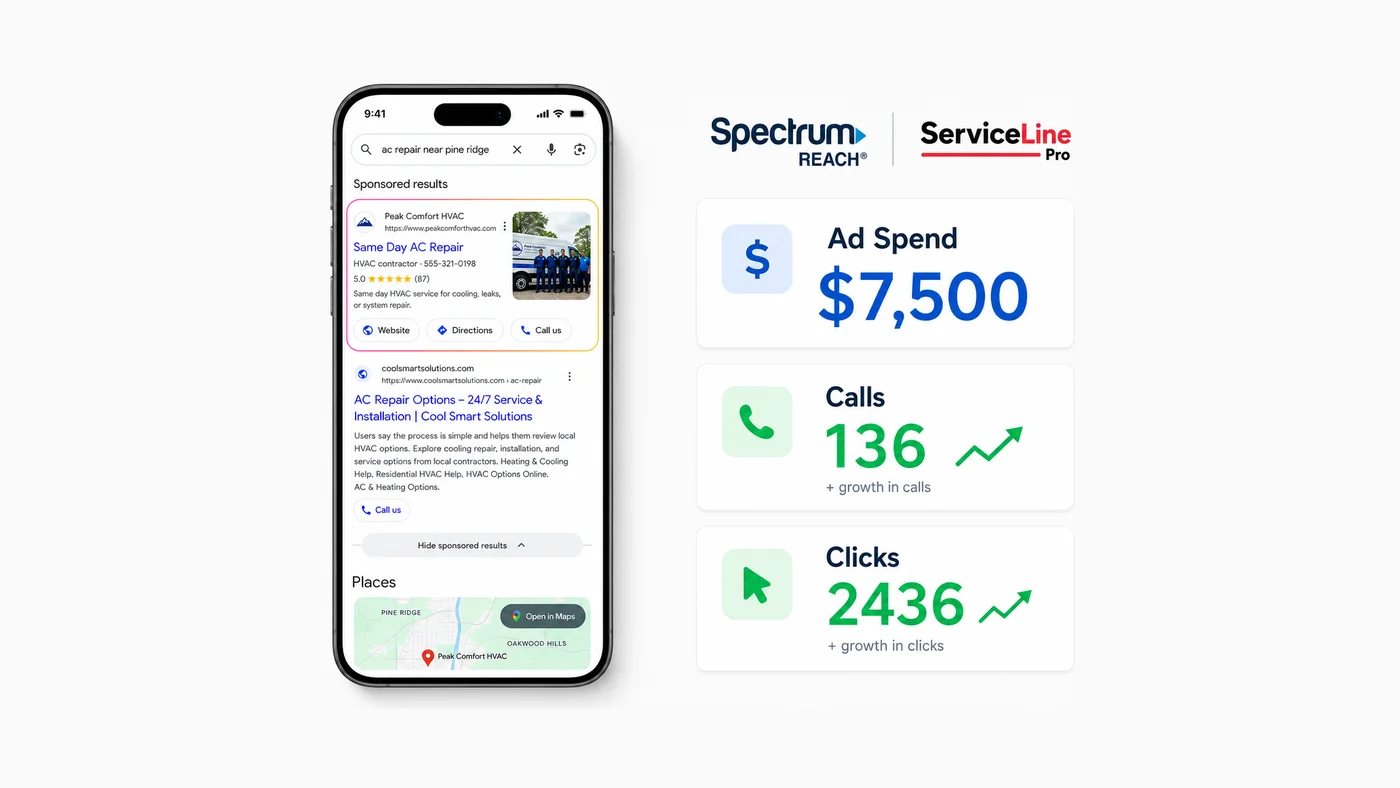
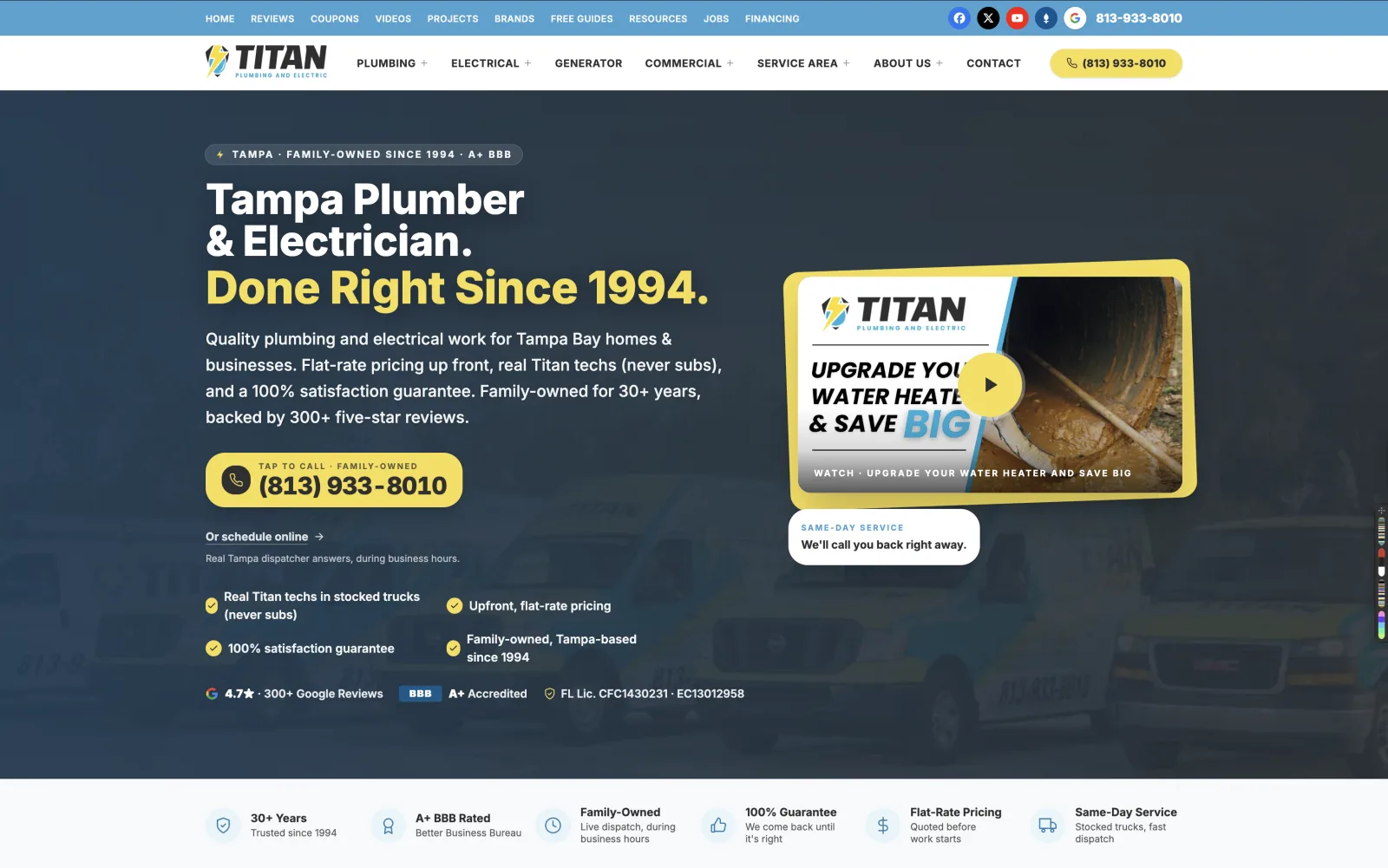
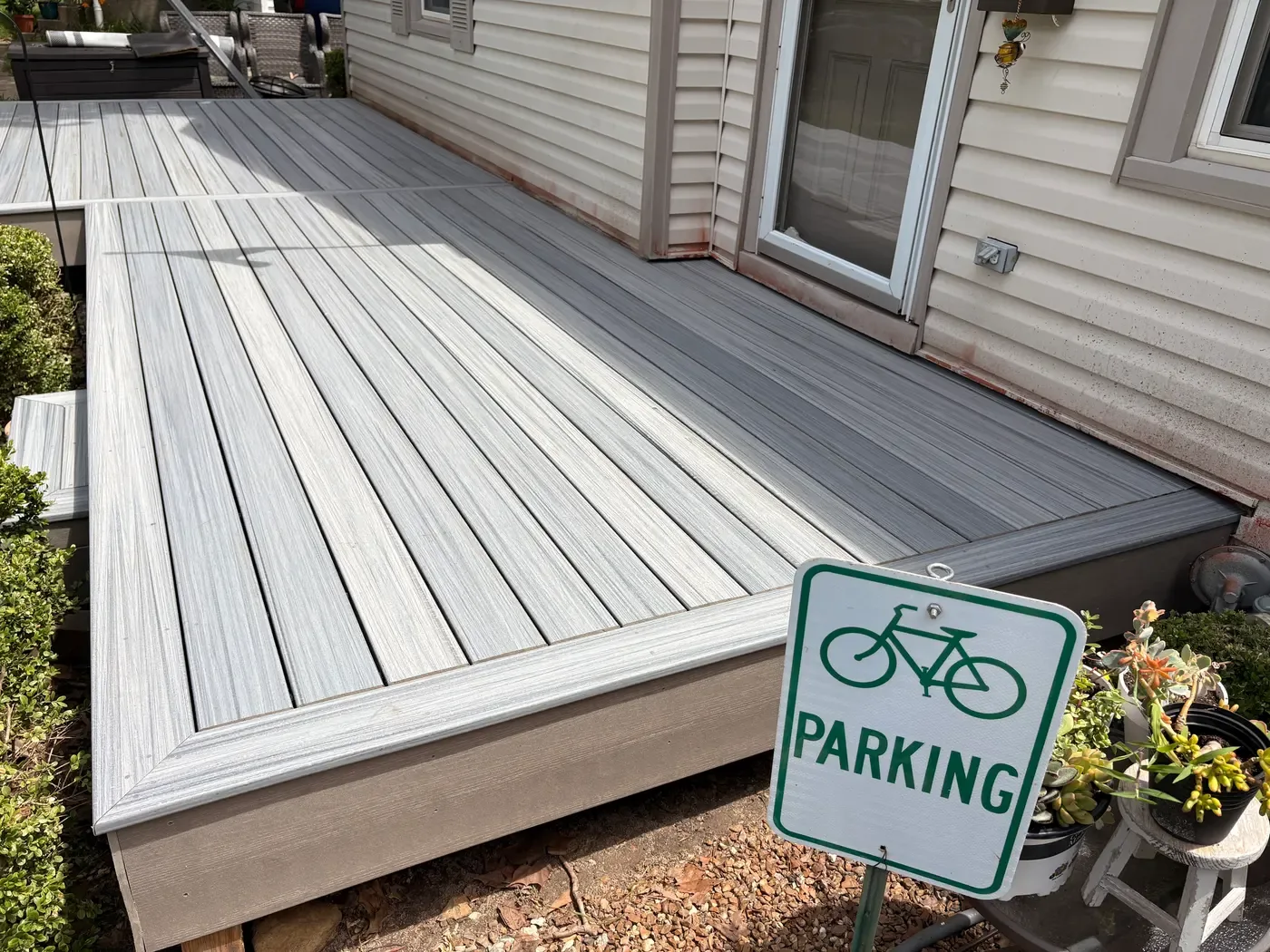

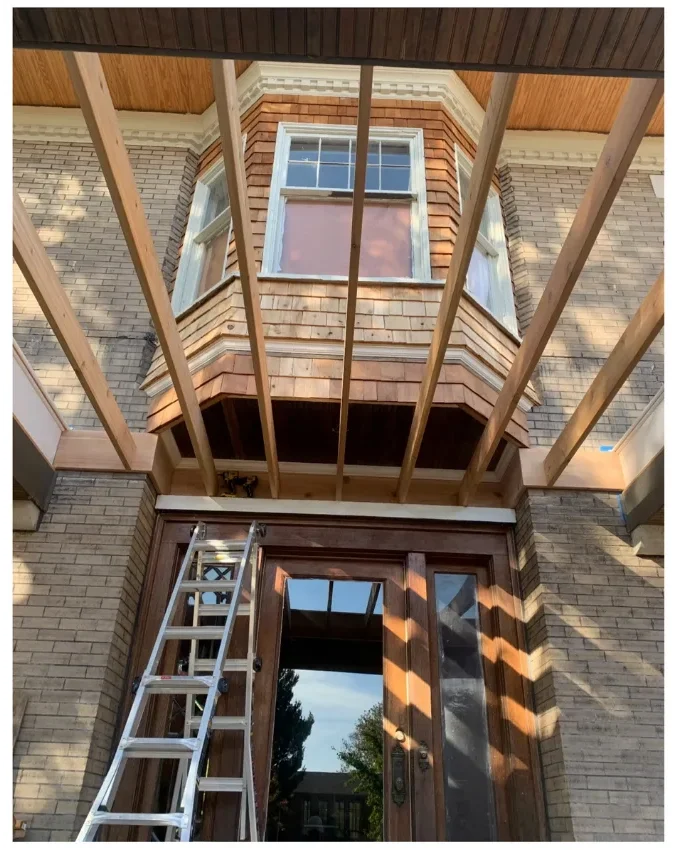






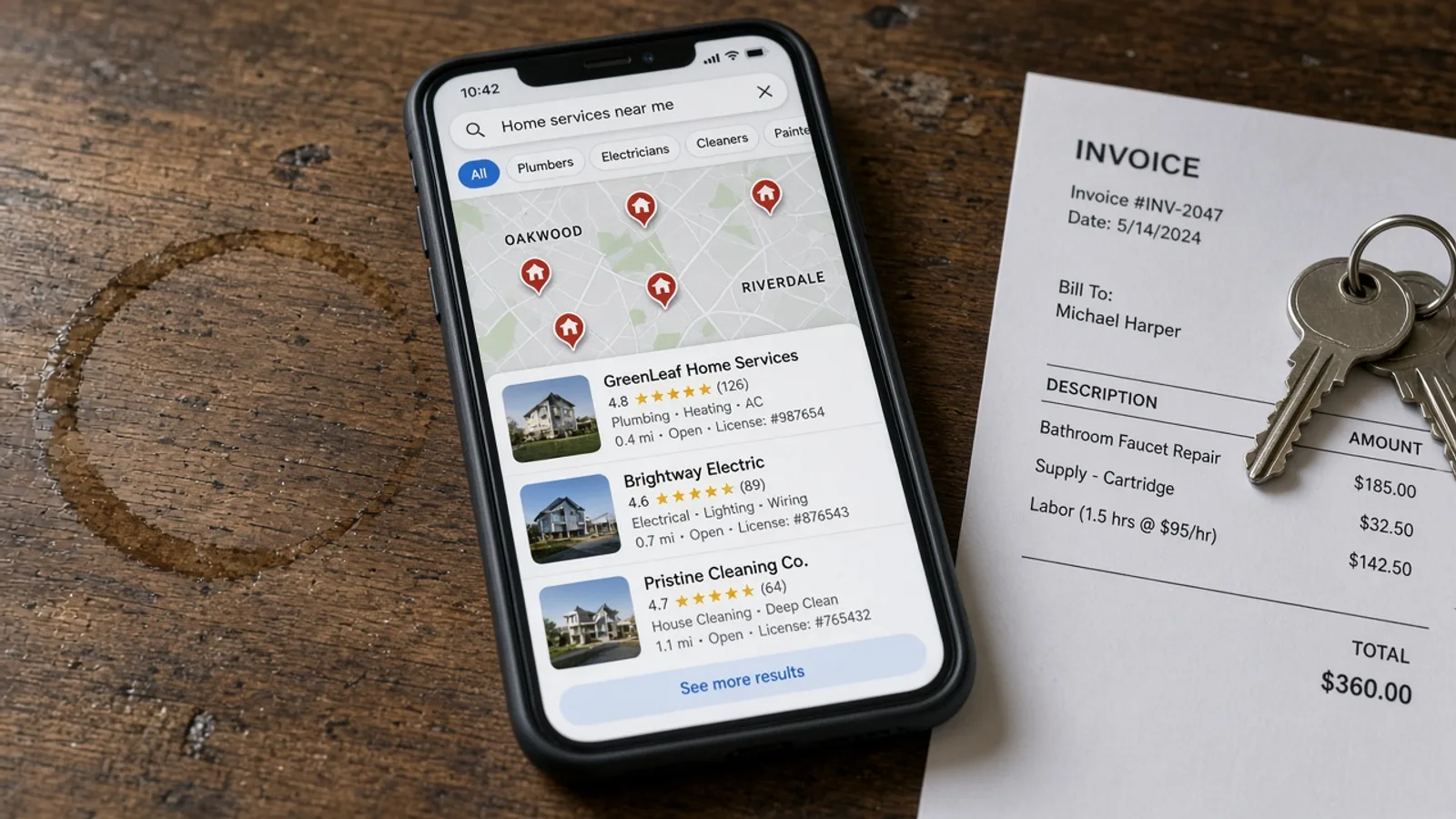
Home services SEO is how a contractor shows up when a homeowner searches the trade and the city. The Map Pack is the three businesses on the map. The blue links under it are the website. A shop that wants the call needs both.
People also type home service seo, and home services marketing. Same job. The marketing-agency phrase stays on the service pages. This page covers the national picture and the Florida market.
What the Map Pack answers, and what the blue link answers
A dead air conditioner at 4 p.m. is a Map Pack search. The buyer calls one of the three listings. A kitchen remodel that will take six weeks of decisions is more often a blue link: photos, a city, a price range, then a call. Local SEO campaigns are built for the pack. The website has to back the same name, phone, and address.
A local results page can hold four placements, and owners often mean a different one each time they say they do not rank. Local Services Ads sit at the top and bill per lead. Search ads are the sponsored links and bill per click. The Map Pack is the three pins. Organic blue links are the pages you earn. Google Local Services explained covers the first, advertising on Google cost covers the second, and the pack is the one most trade owners mean.
"Home services SEO is the Map Pack plus a page for each trade you sell. The order to do the work in, what Florida changes, and the price ServiceLine Pro publishes."
One URL per trade
A kitchen gets its own URL. A roof gets its own URL. A new pool and a pool repair are different searches. Cabinets, the circuit that has to move, and the drain that has to move belong on the kitchen page. The offers live on kitchen remodeling marketing, pool builder marketing, HVAC marketing agency, plumbing marketing agency, and roofing SEO.
The page should match a job you dispatch, not a synonym. AC repair, AC not cooling, and emergency AC can share one repair page with honest sections. AC installation and a dealer brand belong on the replacement page. Mixing them makes Google guess and makes the customer guess. Tree work splits emergency takedown from trimming. Roofers split repair, replacement, and insurance work when the process differs. A general contractor should not target plumber near me unless he wants to disappoint the caller.
Start from the ten jobs you want more of and the average ticket on each. List the towns you can reach at the speed you promise. Map one page to each job. Then align the Google Business Profile services with those pages. Search terms in a Google Ads account show which phrases already convert, and those phrases become titles and H1s. A page that cannot be tied to a dispatchable job is not part of this work, even if it ranks.
The profile has to match the site
Primary category is the trade that pays. A plumber who picks a generic contractor category is matching the wrong word. Fill services with the words customers use: AC repair, water heater, roof replacement. Photos are from jobs, monthly. Hours match the truck, including after-hours if you actually run them. The address on the site is the address on the listing.
Do not put keywords in the business name. Do not open a fake office to rank in a city you visit twice a year. Both break Google's Business Profile guidelines and both get listings suspended. If you run more than one DBA, pick the public brand and align the profile to it. Split listings split reviews, and a split review count is a weaker prominence signal than one honest total.
Duplicates are the most common single fix. A shop that changed names, moved, or let a directory create a second pin can gain pack position in a week just by removing the extra listing. Why your Google Business Profile is not showing up walks that case, and how to remove a business listing from Google covers the removal itself.
Reviews and citations
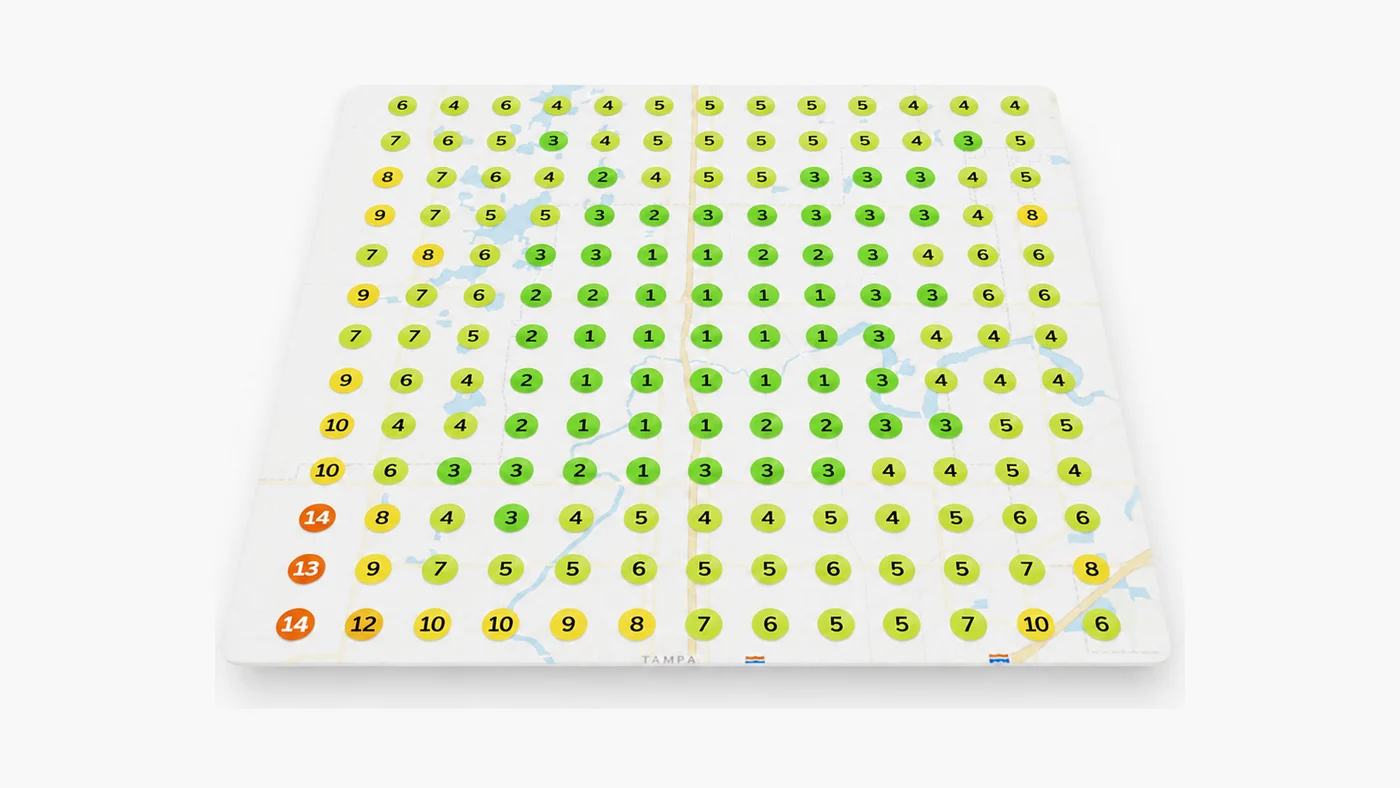
Ask the day the job is done. Text the Google review link within the hour. Answer every review. Match the name, address, and phone on Apple Business Connect, Yelp, and the BBB. Yelp stays a directory match on this page. Track the Map Pack on a grid of the ZIPs you dispatch. A search from your own phone will flatter you.
Review velocity is one of the few local signals you control week to week. A 4.2 with 400 reviews usually beats a 5.0 with 12 in a market where every neighbor has already hired someone, and a burst of five-star reviews in one week reads as bought. Build the ask into closeout: the crew lead requests it on site, the office follows up by text. Paying for stars is also an FTC problem, which is reason enough to never do it. The role of reviews in local SEO has the cadence.
Citations are the boring half. Same name, same address format, same phone on Google, Apple Business Connect, Bing, Yelp, the BBB, and the trade directories that already rank. Apple Maps is a listing. Apple sells Maps ads in the US and Canada (Apple), but we do not sell or recommend them for home services, so do not budget for them. A 200-directory blast is not this step. Accuracy on the sources Google already trusts beats volume.
The order to do the work in
Most stalled SEO programs started with a blog calendar while the profile still had the wrong category. The order below is the one that moves a pack fastest, and it holds for roofing, HVAC, plumbing, electrical, pools, kitchens, and general contracting.
- 01 Baseline. Search your main service plus city on a phone that is not logged into your account. Screenshot the Map Pack and the URL Google shows for you. Note duplicates, wrong hours, and whether the site loads on LTE. Export Search Console if you have it.
- 02 Google Business Profile. Primary category, services, service area, hours, photos, Q&A. Remove duplicates. This step is first because the pack does not wait for a blog.
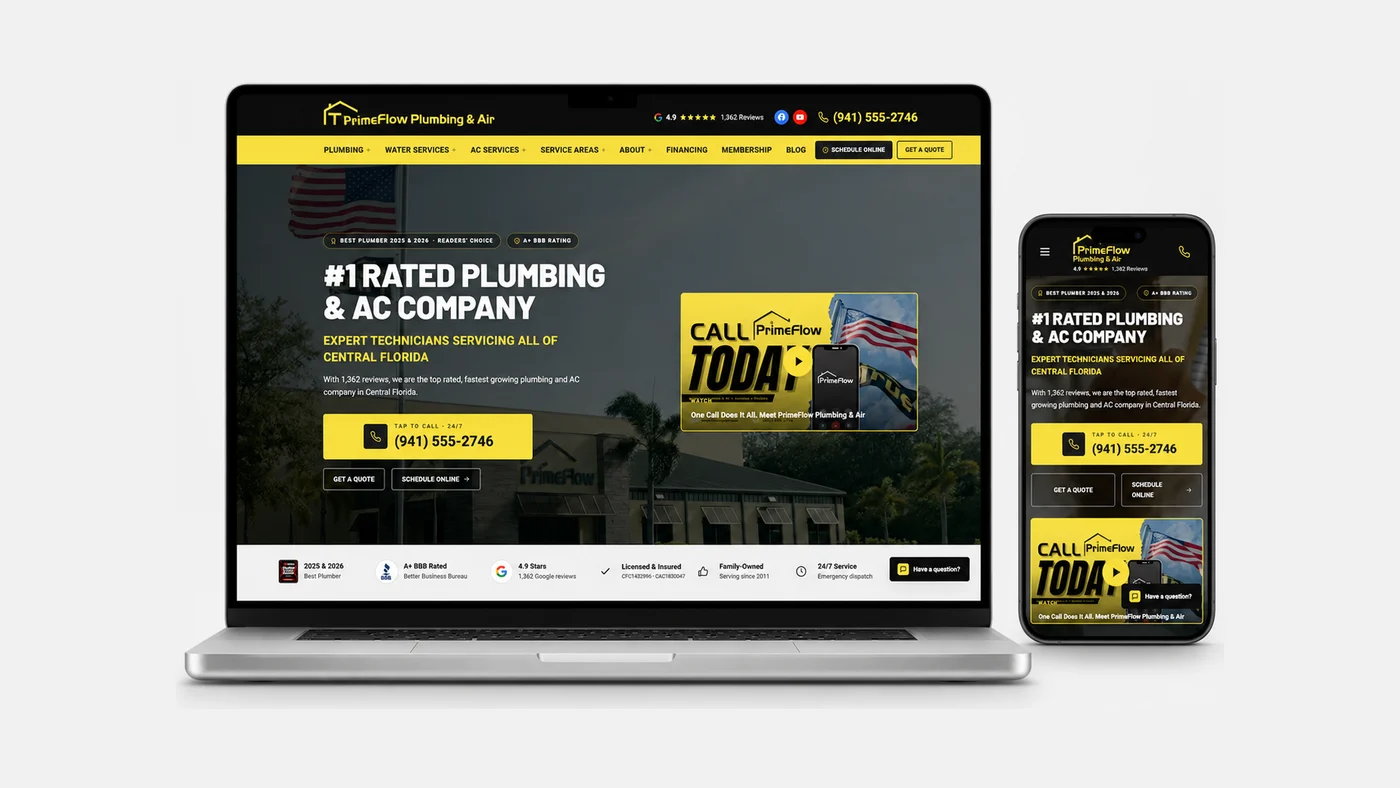
- 03 Website. Title tags and H1s that name the service and the city where it is true. One page per service. Click-to-call. Schema. Load under two seconds. Websites are $4,500 once or $449 per month for 12 months, live in 30 days.
- 04 Citations. NAP match on the major directories and Apple Business Connect.
- 05 Reviews. A system, not hope. Ask at closeout, follow up by text, reply to everything.
- 06 Content for the gaps. City pages you can defend, seasonal pages where the trade has a season, project pages with photos. Skip this until steps 2 through 5 are moving.
- 07 Links. Suppliers, manufacturers, local news, associations. Extra link building is +$1,500 per month on an active campaign when the metro is stacked.
- 08 Tracking. Geogrid for the pack, calls and booked jobs for the business. Feed converting paid keywords back into pages.
Steps 2 and 5 need the office. Step 3 needs a developer or a rebuild. Step 7 needs outreach. If one person tries to do all eight after hours, steps 6 and 7 slip and the pack stalls. Assign each step to a named person before you start.
If you are already on step 6 and nothing moves, go back to step 1. Most stalled blogs sit on a listing with the wrong category, a duplicate, or zero reviews this month. Content cannot outrun those. Check the geogrid: if you are invisible two miles from the pin, you have a proximity and prominence problem, not a missing article.
What Florida changes
Florida is a hard SEO market because it is a good service market. People move in, storms hit, AC runs most of the year, and every metro has a stack of licensed competitors. Northern trades wait for a thaw. Much of Florida searches in January and July, which means the incumbents never take a season off. If you are not in the pack, you are buying ads twelve months a year or waiting on referrals.
Storms raise volume for the shops that already rank. Hurricane and tropical-storm searches spike roofing, tarping, tree, generator, and water-mitigation work, and Google does not hand those clicks to whoever published a blog that afternoon. The listings already in the pack take the wave. Finish city pages, photo uploads, and LSA paperwork in the quiet months, and keep the profile hours accurate during the watch. A listing marked closed on a hurricane weekend gives the job to the shop that stayed open on the profile.
Metros are dense and grids are tight. Miami, Orlando, Tampa, Jacksonville, and the corridor between them reward proximity, so a ranking at the shop does not mean a ranking twelve minutes away. Geogrid tracking is how you know whether the work is landing. A statewide vanity keyword report is how you get fooled.
New residents and snowbirds search before they have a neighbor to ask. That is why the pack and a clear site matter more here than in a town where everyone already knows three plumbers. Snowbirds also search from a second state before they arrive, so name the Florida counties you serve on the site and use presence targeting on ads. Tourist-heavy ZIPs can look like search demand and convert like short-term visitors, so track booked jobs there, not only calls.
Metro notes. Tampa Bay sprawls across Hillsborough, Pinellas, and Pasco, so pin the office you actually use and list the cities you dispatch. Orlando has tourism and short-term rental keywords polluting HVAC and plumbing, which means negatives on ads and city pages for the suburbs you serve. Miami-Dade needs NAP consistency across English and Spanish listings, and the language your buyers actually search rather than a translation widget. Jacksonville and the Panhandle have thinner competition, but an overbroad service area still hides you from the neighborhoods that pay. A profile set to all of Florida is a ranking own-goal.
Why the ranking is worth owning
A shared-lead marketplace bills you for a name that already went to two competitors, and in a high-demand Florida ZIP that is a bidding war on a customer you already paid to hear about. A Map Pack call has no per-click invoice. One high-ticket job, a kitchen, a reroof, an addition, can cover months of campaign cost. That is the case for the work, and it is why the shops that own the pack keep getting calls when ad costs jump and aggregators raise fees.
Paid search still has a job. Google Ads often produces calls inside the first week in our accounts, and the Spectrum partnership means $0 agency fee, so a typical $5,000 monthly spend in a competitive metro buys media instead of a management markup. Use ads to fill the calendar while rankings build. Use SEO so you are not renting every lead forever. SEO vs PPC compares the two on cost per booked job.
AI answers changed the top of the page without changing the bottom. Google now summarizes informational queries, so someone asking how to reset a breaker may never leave the results page. Someone asking for a storm-damage roofer or an emergency plumber still wants a business, and still taps the map. ChatGPT, Perplexity, Gemini, and AI Overviews also cite businesses, and they pull from the same profile, citations, structured data, and plain-language pages. If those sources point at a competitor, the model names them. What is AI SEO for a contractor covers the add-on, which runs only with an active campaign.
What it costs here
SEO campaigns are $3,000 per month, with a Top-3 Map Pack target in 90 days. If we miss it, we keep working. Rankings are not guaranteed. Websites are $4,500 once or $449 per month for 12 months, and you own the files. AI SEO is $1,500 per month, and only with an active SEO campaign. Google Ads management is $0 agency fee. A competitive metro often spends about $5,000 per month on the media itself.
Serious local SEO sits in the low thousands per month. Below about $1,000 you are usually buying reports. Compare cost per booked job across SEO, ads, and LSAs after 90 days, not after a weekend. The cost per booked job calculator does that arithmetic, and the budget calculator gives a starting number from revenue and market.
The $1,000 Growth Audit is the written diagnosis, delivered in 72 hours. Comparing agencies instead? The vs pages put price, term and ownership side by side. Or book a strategy call at (813) 328-6341.
How to measure it without lying to yourself
A ranking is potential. Revenue needs a page that shows the phone, a live answer during the hours you advertise, and reviews that close the tab. Miss any one and the next result takes the job. Track the chain: position on a geogrid, calls, booked jobs.
- 01 Pick ten queries you want to win: service plus city, plus two near-me checks from different ZIPs.
- 02 Record Map Pack rank on a geogrid monthly. A single desktop search is a vanity screenshot.
- 03 Record whether you appear in LSAs for those queries, and whether a search ad is showing.
- 04 Tie tracking numbers to the profile, the ads, and the website. Rankings without call data are a slideshow.
- 05 Once a quarter, walk the same queries on a phone that is not logged into your Google account.
A monthly PDF of vanity keywords does not pay crews. What top-page rankings mean explains why page one is three products and why a screenshot from the shop proves nothing.
Mistakes that waste a year
- ·Service area set to the whole state on a three-truck company.
- ·Keywords in the business name.
- ·City pages that only swap the city name, copied twenty times.
- ·Buying links in bulk, or paying for reviews.
- ·Checking rank from your own phone instead of a geogrid.
- ·Pausing ads the day SEO starts, then pausing SEO when the board fills.
- ·Treating SEO as a website project when the profile and reviews carry most of the pack.
Keep Google Ads on if you need jobs during the climb. The pipeline you skip this quarter is next season's hole.
Four narrower pages come off this one: SEO automation, local SEO platforms, SEO for homebuilders, and local SEO for deck and fence builders.
In a smaller metro the same play has less volume to work with, which is what Kansas City SEO covers, and types of local SEO strategy lists the page formats that earn a position.
Frequently Asked Questions
What is home services SEO?
The work of ranking a contractor in the Map Pack and in the blue links for the trades that company sells. It includes the Google Business Profile, one URL per service, reviews, and citations that match the site.
Is home service seo different from home services SEO?
Searchers drop the s. One page covers both. Use the singular in a sentence, the way this page does.
How much does home services SEO cost?
ServiceLine Pro publishes SEO campaigns at $3,000 per month. The Map Pack target is Top-3 in 90 days. If the target is missed, the work continues. Rankings are not guaranteed.
How long until the Map Pack moves?
Profile, category, and citation fixes can move a pack in a week when the listing was the problem. Competitive organic for a kitchen remodel in a coastal metro continues past day 90. The campaign is ongoing, and 90 days is the first checkpoint on the Top-3 target.
Do I need a blog?
No. Service pages, city pages you can defend, and project pages come first. A weekly blog that never links to a money page is a hobby. Strategic content is the version that supports the pages you sell.
Should I hide the address?
Hide it only if you work from home or dispatch from a yard and the public address would send customers to the wrong door. A hidden address needs a real service area and a real city in the profile. A fake pin in a city you do not serve gets the listing suspended.
Does SEO still matter if I run LSAs?
Yes. LSAs bill per lead and are gated on reviews and response time. The profile, reviews, and pages that make LSAs work are the same assets SEO builds, and the pack still takes the emergency call.
Is Florida harder than other states?
The competition is denser and the demand runs all year, so the incumbents never take a season off. The mechanics are the same as anywhere else.
Get a real diagnosis of your business.
A seven-layer review of your SEO, Google Ads, website, and Map Pack presence, delivered as a written report within 72 hours. It's $1,000 and it always credits toward any work you do with us. If we don't find $100,000 in missed revenue, we refund it.
Get the Growth Audit