






You search your own service on Google. Your trucks are in the field. Your techs are solid. The same two or three competitors keep showing up in the Map Pack. Then you drive through town and see their vans parked at houses that should have been your jobs. That is a visibility problem tied directly to revenue.
If you want to rank in Google Maps, treat it like an operations sprint, not a side marketing task. Most contractors do not need more vague SEO advice. They need a repeatable 90-day sequence: profile, citations, reviews, local pages, then activity that Google can see. If the listing is missing entirely, fix that first in why your Google Business Profile might not be showing up. For the economics, read why local SEO matters.
Why your competitor owns the Map Pack
They built stronger local signals, then kept feeding them. For service businesses the Map Pack is the highest-value real estate in local search. A buyer searching "emergency plumber near me" is not browsing page two. They tap one of the three businesses in front of them.
Contractors fall behind for a short list of reasons: incomplete profile, inconsistent review flow, sloppy service area, a website that does not reinforce the cities they serve, and no one running a weekly sprint. You do not rank in Google Maps by checking boxes once. You rank by tightening every local signal in sequence.
"If a customer would never say it on the phone, do not make it the centerpiece of your GBP copy."
Days 1-30: profile foundation
- ·Primary category: closest to the main revenue driver. If plumbing is the core, do not lead with a vague contractor category.
- ·Secondary categories: only services you actually sell.
- ·Services list: use the words customers say (furnace replacement, not "system replacement").
- ·Description: plain language, real services, real cities. No keyword stuffing in the business name.
- ·Photos: crews, trucks, completed jobs. Fresh monthly.
- ·Hours and phone: match the website exactly. After-hours if you truly run emergency.
Google's local results weigh relevance, distance, and prominence. The profile is the relevance control you own. Distance is geography. Prominence is reviews, links, and brand searches.
Claiming is the first step and it is not always obvious. Search the business in Google Business Profile Manager. If a listing already exists, click Manage this business. Verify by phone when Google offers it; the postcard takes one to two weeks. Do not edit the name, address, or category while verification is in flight, because a pending edit can stall the whole thing.
Then fill every field. The business name matches the legal or DBA name on the door, not Best HVAC Tampa. Upload ten to fifteen real photos of the team, the trucks, and completed jobs. Write the 750-character description in plain language. Set the primary category first, then only the secondary categories you actually sell this month.
Days 31-60: citations, reviews, pages
Audit name, address, and phone across Google, Apple Business Connect, Yelp, BBB, Angi, and the trade directories that matter in your market. Pick one address format and one phone format. Conflicting NAP is a ranking drag. Apple Maps here means the citation listing, not ads. Apple sells Maps ads in the US and Canada, but we do not recommend them for home services. Yelp is a directory and review site, not a paid lead product you need to push.
Build the review ask into job close: on-site request, text with a direct Google link within the hour. Steady beats bursts. Respond to every review. Build a page per major service and per priority city, with real photos and schema. Load the site under two seconds.
NAP mistakes that undo a week of work
Citations are mentions of name, address, and phone, and Google uses them to check the business is real. 123 Main St in one directory and 123 Main Street in another is a conflict. Pick one format for street, suite, city, and phone, then use it everywhere.
The four that cost the most: a tracking number on the Google Business Profile or on Yelp, which splits your identity; Suite versus Apt versus #; FL versus Florida; and the parent company name versus the DBA. Keep the real local number on every citation and put tracking numbers on the website and the ads only. Keep a spreadsheet of the exact string in each field so a vendor or an office manager cannot quietly republish the old format, and audit it quarterly.
Days 61-90: activity and proof
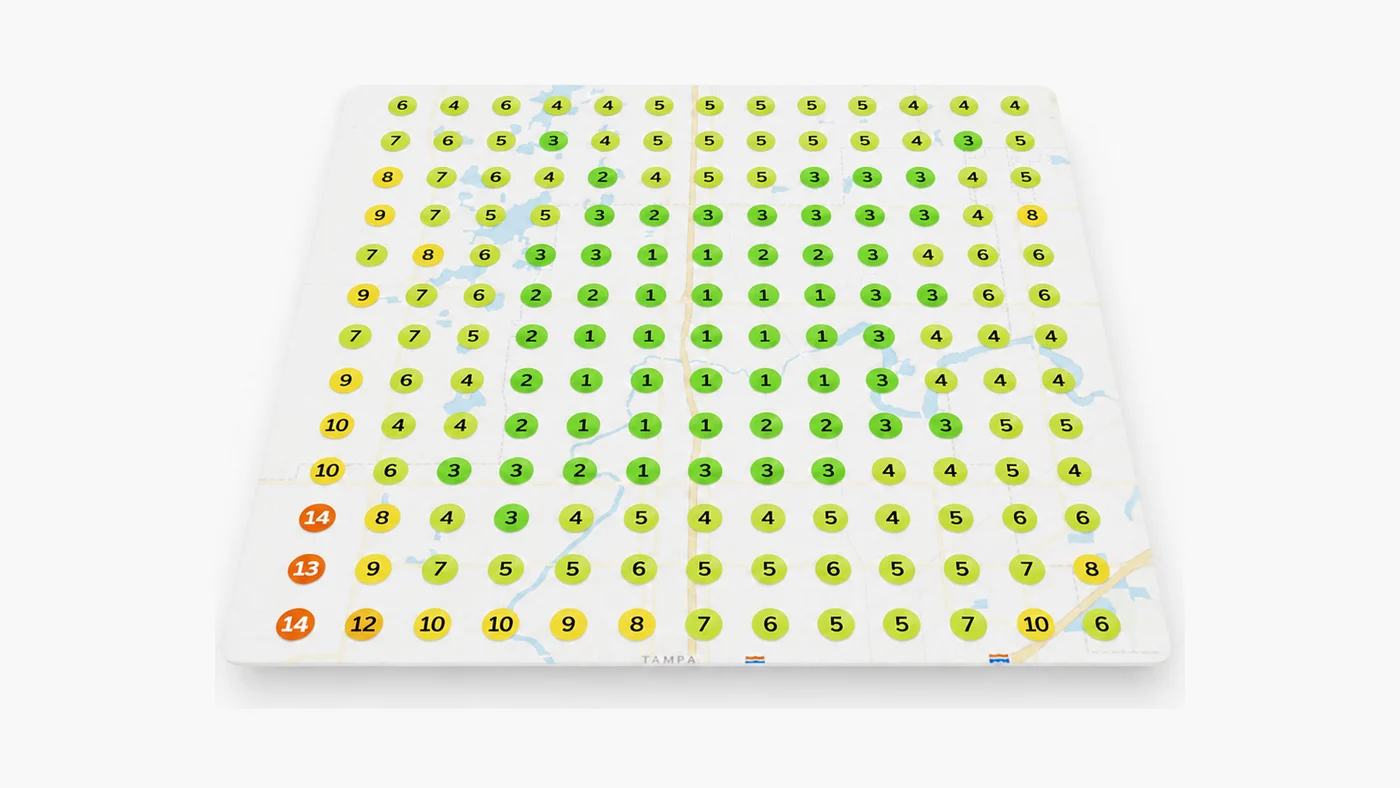
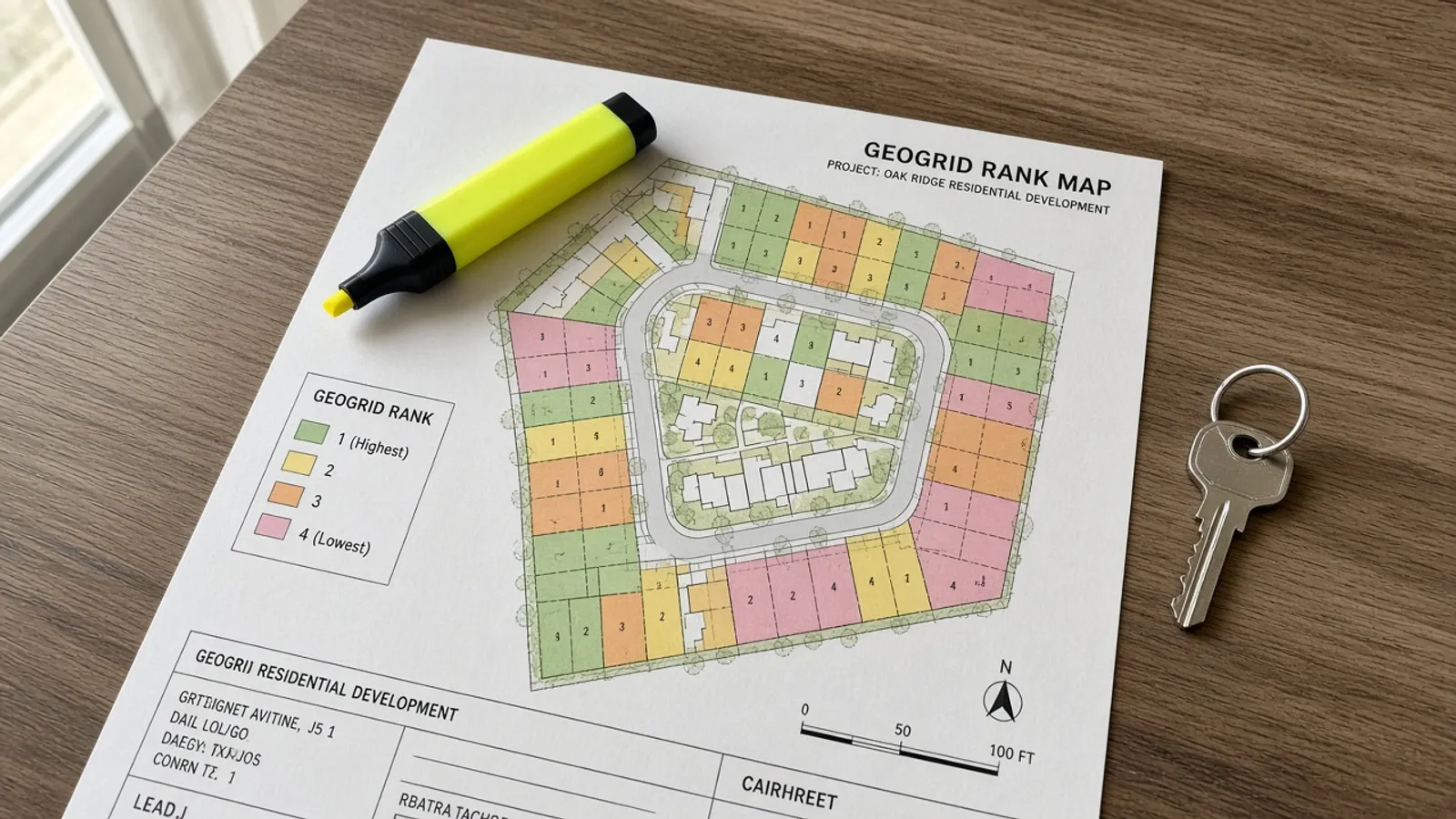
Post to the profile weekly. Upload job photos. Answer Q&A. Earn a few local links: supplier, manufacturer, chamber, sponsorship. Track Map Pack positions on a geogrid across the service area. Your own phone inflates rank. Pair the grid with tracked organic calls. If positions move and calls do not, fix conversion on the profile and the landing pages.
First 14 days if you are starting from scratch
- 01 Days 1-2: claim or recover the profile. Fix category, phone, hours, and website. Hide a house pin if you are a service-area business.
- 02 Days 3-4: screenshot every directory that lists you. Fix NAP mismatches, starting with Apple Business Connect, Bing Places, and the listings that already rank for your name.
- 03 Days 5-7: publish or repair the core service pages. Phone in the header. Forms tested.
- 04 Days 8-10: ask every completed job this week for a Google review. Three honest reviews beat a delayed blast.
- 05 Days 11-14: upload ten job photos, two posts, and a geogrid baseline so you know where you actually rank. Then follow the weekly list below.
"If a customer would never say it on the phone, do not make it the centerpiece of your GBP copy."
This is a 90-day target, not a ranking promise. Competitive metros take longer on the hardest keywords. SEO campaigns run this sprint at $3,000 per month with a Top-3 Map Pack target. If we miss it, we keep working. The $1,000 Growth Audit includes a GBP grid diagnosis. The Map Pack checklist is the same 90 days as a one-page list, the missed call calculator prices the calls you are not getting, and every published price sits on the pricing page. Or book a strategy call at (813) 328-6341.
The weekly list
- 01 Confirm you manage the listing. If it does not show at all, fix that before anything else in this list.
- 02 Primary category is the main trade. Secondary categories are the jobs you take this month.
- 03 Phone, hours, website, and service area match the site character for character.
- 04 Upload two real job photos with the city in the caption.
- 05 Post one update: service, neighborhood, outcome.
- 06 Reply to every review waiting in the queue.
Storefront versus service-area: if customers do not visit the shop, hide the house pin and set a service area that matches dispatch. A fake pin is a policy problem, not a ranking hack.
Primary category
Set the primary category to the trade that pays the bills. A plumber who leads with a generic contractor category is matching a vague word. Plumbing stays primary. Secondary categories are only services you sell. The offers, if you want the work done, are HVAC marketing agency and plumbing marketing agency. The checklist that sits under this calendar is in the sections below.
The geogrid
Rank on your own phone flatters the shop. A customer two miles away can see a different pack. Track a grid of the ZIPs you dispatch, monthly. If the grid moves and the calls stay flat, fix photos, hours, and click-to-call on the profile.
Three numbers to watch
- ·Geogrid Map Pack: how many points in your service area show you in the top three. Searching from the office lies.
- ·Tracked calls from the profile and from organic search, graded by whether they became a booked job.
- ·Review velocity: new Google reviews per week, not the lifetime total.
If the grid is weak, refresh the profile and add real local content. If rankings look fine but calls are weak, the pages or the phone are the leak. If reviews stall, the ask died in the field.
The three factors Google names
Google's current help page says local results are mainly relevance, distance, and popularity. Relevance is complete business info. Distance is how far the business is from the person searching. Popularity includes reviews and how many sites link to the business. The same page says there is no way to request or pay for a better local ranking. Source: Tips to improve your local ranking on Google. Profile rules, including one profile per business and the fewest categories that describe the core work, are in the representation guidelines.
What this does not include
Skip junk directory packages. Apple sells Maps ads in the US and Canada, but we do not recommend them for home services, so keep Apple Business Connect accurate as a citation and do not budget for ads there. Yelp is a listing and a review site, not a lead channel we sell. Paid social exists, but it does not replace search and the Map Pack for closeable trade work.
Profile problems have their own pages: removing a business listing from Google, negative search results, and what top-page rankings mean. When an AI answer repeats a profile, the fields it reads are on what ChatGPT cites for a local contractor.
Frequently Asked Questions
How do contractors rank in Google Maps?
Primary category for the trade that pays, a complete profile, reviews from finished jobs, city pages, and a monthly geogrid. This post is the 90-day sequence. Rankings are not guaranteed.
How long does it take to rank in Google Maps?
Foundations can move Map Pack positions inside 90 days. Hard keywords in competitive metros take longer. Treat Top-3 as a target and keep working if you miss it.
What is the most important Google Maps ranking factor I control?
Relevance and popularity. Google's help page lists relevance, distance, and popularity. Distance follows the searcher. You set categories, services, reviews, and the sites that link to you.
Should I hide my address as a service-area business?
Only if you truly have no customer-facing location and Google accepts that setup. Hide-address plus a statewide service area is a common reason listings fail to show nearby. Be specific about cities you dispatch.
Get a real diagnosis of your business.
A seven-layer review of your SEO, Google Ads, website, and Map Pack presence, delivered as a written report within 72 hours. It's $1,000 and it always credits toward any work you do with us. If we don't find $100,000 in missed revenue, we refund it.
Get the Growth Audit