







You are spending on Google Ads, getting calls and forms, and still cannot say whether the campaign made money. Or you tried Google Ads for contractors, saw a burst of activity, and pulled back because the results felt expensive and impossible to trust.
That is usually tracking, geo, and service mix, not “Google Ads does not work for trades.” HVAC, plumbing, electrical, roofing, and GCs can all run profitable accounts. They need a system that ties spend to booked jobs, jobs to revenue, and revenue back to campaigns, keywords, and zips. For local-lead campaign types, see how Google Ads work.
Campaign types, used on purpose
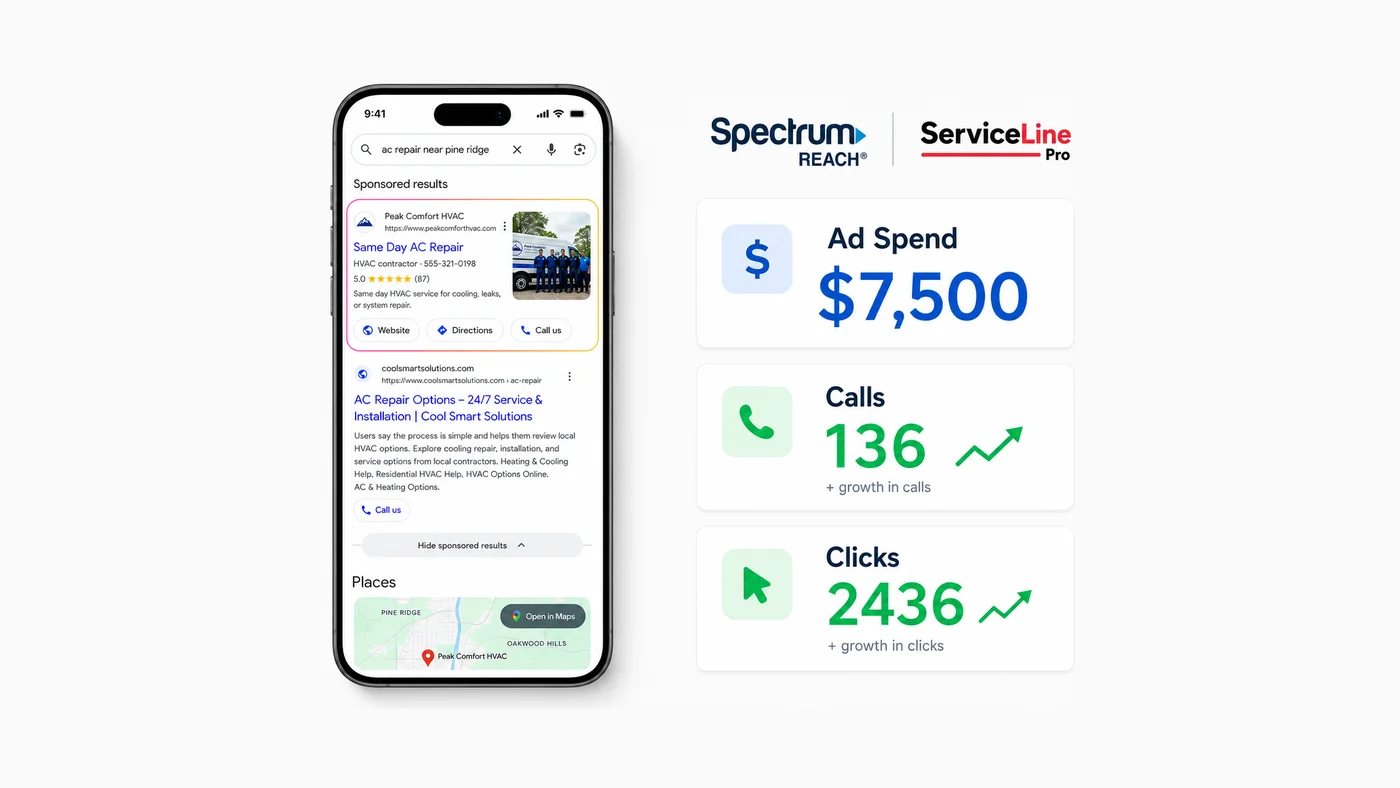
- ·Search ads: text in Google results on hire-now queries. This is the core for service calls.
- ·Local Services Ads: Google Verified badge, pay per lead, gated on reviews and response time.
- ·Display: visual, better for remarketing than for first-touch emergency work.
- ·Remarketing: people who hit the estimate page and left.
Bidding and daily budgets only help after geo and keywords match dispatch. A plumber in one county should not pay for the next metro over. A GC should not buy handyman near me if the ticket you want is a kitchen.
"Effective contractor ads generate qualified leads that can become paying jobs. Clicks are the input, not the win."
Why contractor accounts bleed cash
Most accounts do not fail because nobody clicks. They fail because the report stops at calls, forms, CTR, and CPL. Cheap leads that your CSR cannot book, your estimator cannot close, or your office cannot match to an invoice will look healthy while the business loses money.
"Effective contractor ads generate qualified leads that can become paying jobs. Clicks are the input, not the win."
Attribution is the leak
If you book estimates by phone and close in a CRM weeks later, form fills will lie.
The same source cites CTR bands and CPL ranges that only matter if the conversion you optimize is a real job. Google will chase whatever you mark as a conversion, including junk forms.
"If reporting ends at “lead generated,” you are measuring activity."
Owners often quit inside 60 days because they judged the campaign on the wrong metric. The account needed call grading and job-level feedback, not a pause.
What usually drains the budget
- ·Broad geos: ads in towns you rarely win.
- ·One campaign for every trade and ticket size.
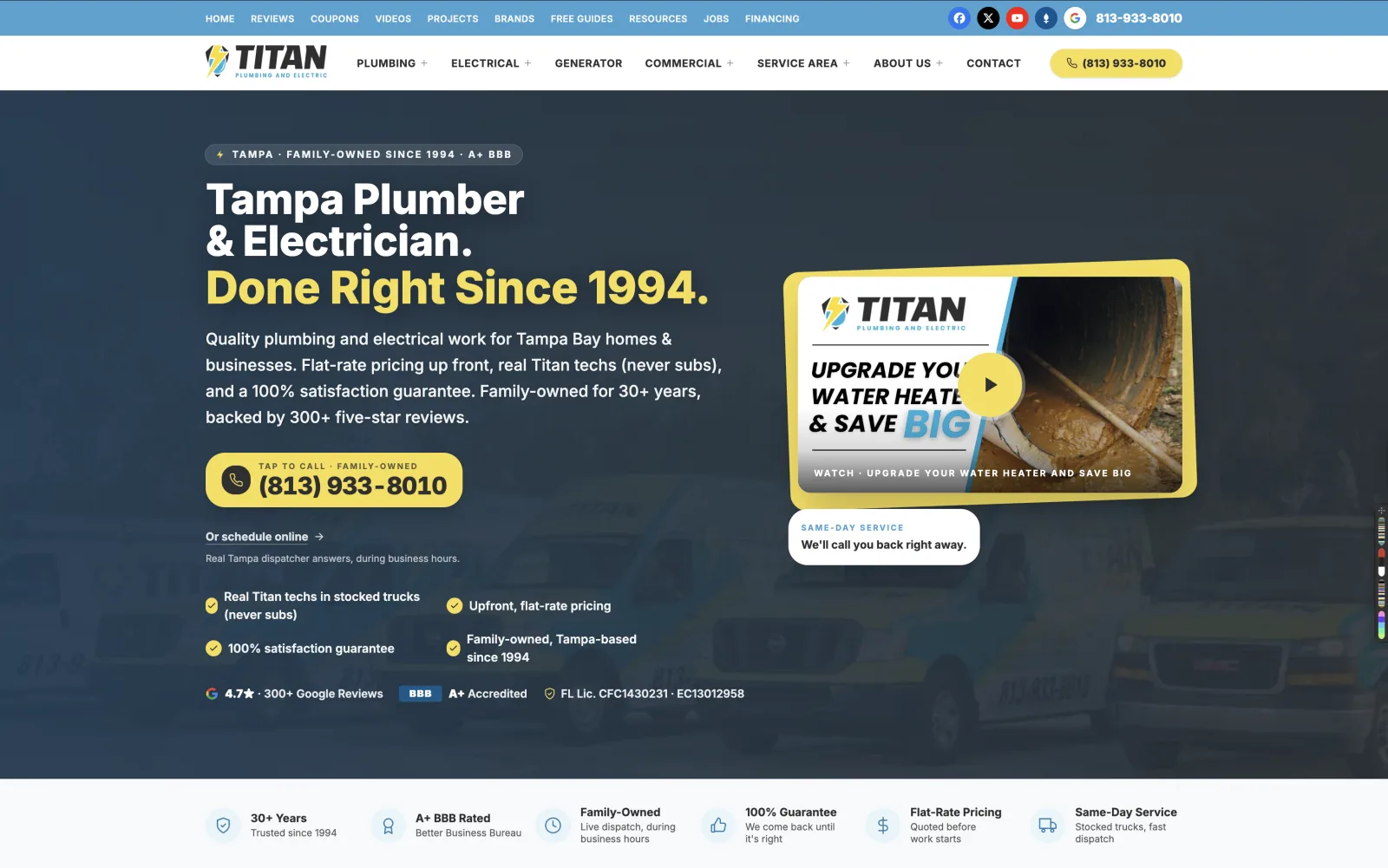
- ·Homepage landings for high-intent searches.
- ·No definition of a qualified call before launch.
- ·Optimizing to form fills that never become revenue.
How local targeting should work
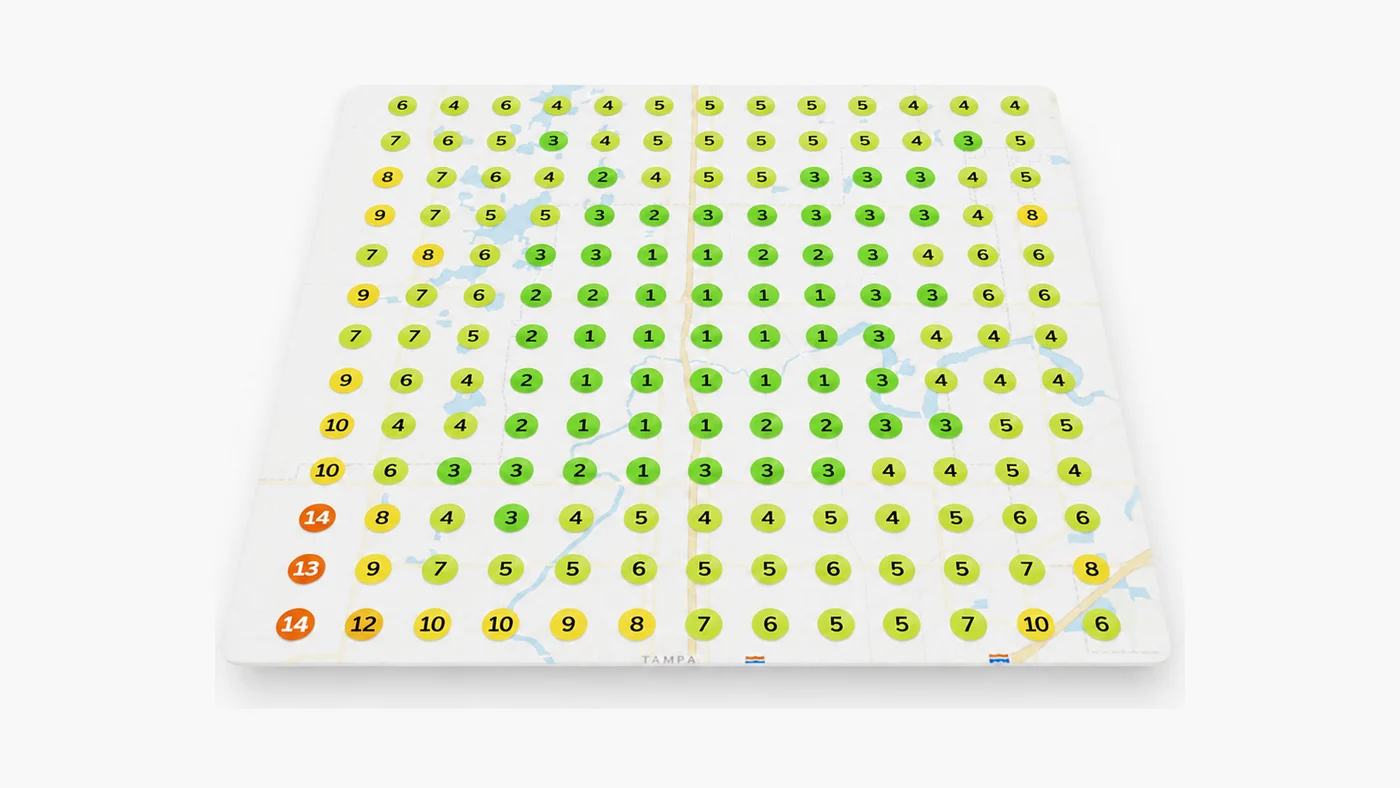
Use presence: people in the selected cities, ZIPs, or radius. Presence or interest is looser and often wasteful for trades, so start with presence only. Exclude the cities you will not drive. Bid up the ZIPs that close and bid down the ZIPs that only produce tire kickers.
Set the ad schedule to staffed hours unless on-call is real. Use location extensions, and call extensions only when someone answers. Language and radius should match how you actually sell.
Build backward from profit
Define the jobs you want more of: kitchen remodels, panel upgrades, replacements, commercial TI. Separate campaigns for high-ticket project work versus emergency service. Different close times, different landing pages, different bids.
Before launch, get this stack live:
- 01 GA4 and Google Ads linked. Conversion actions for calls, forms, and (when you can) booked jobs imported from the CRM.
- 02 Call tracking with unique numbers per campaign. Recordings for grading.
- 03 A written qualified-call rule: decision maker, business hours, real project or service need, contact captured.
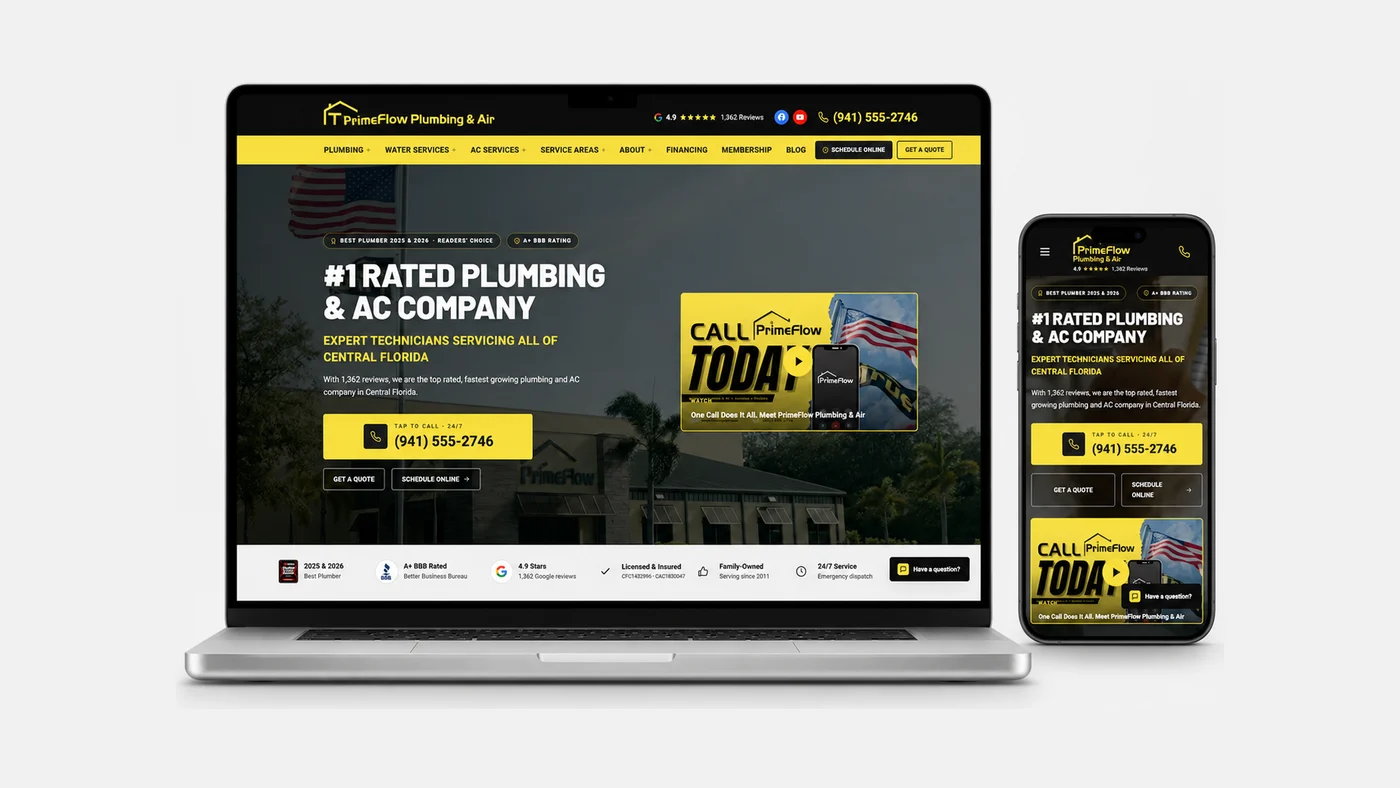
- 04 Landing pages per service, not the homepage. Load under two seconds.
- 05 Geo targeting that matches dispatch, plus exclusions for cities you will not drive.
- 06 Negatives for DIY, jobs, training, and “how to.”
Budget and fee
A budget that cannot buy enough clicks cannot teach you anything. Our Google Ads work is $0 agency fee through Spectrum Reach. Around $5,000/mo is typical in a competitive metro. In our accounts, calls often start inside the first week. We review at 30, 60, and 90 days.
If you need pipeline while tracking is being rebuilt, an exclusive-call vendor charges only for calls that meet a written definition.
What to score every week
A local contractor account should produce a one-page scoreboard your office can read without a marketing degree.
- ·Spend, clicks, and CTR by campaign: repair versus project versus city.
- ·Calls and forms, then the qualified share after grading.
- ·Estimates set and jobs booked from those calls.
- ·Cost per booked job by ZIP and by service.
- ·Answer rate and after-hours missed calls.
If a ZIP produces cheap clicks and no booked jobs for two weeks, cut it. If a service produces expensive clicks and closed work, raise the budget there. That is local lead management. Impression share without this table is noise.
Pair ads with owned search
Ads stop when you pause. SEO at $3,000/mo targets Top-3 Map Pack in 90 days. Target, not guarantee. Feed converting ad keywords into service pages. Local SEO for contractors covers the map side.
OTT is branding from about $5,000/mo. It will not replace Search for booked jobs. Keep Apple Business Connect accurate. Paid social exists. We do not sell it as the contractor lead engine here.
Pitfalls
- ·Homepage landings for every ad.
- ·Broad match with an empty negative list.
- ·Optimizing to form fills from job seekers.
- ·Judging ROI in ten days with broken tracking.
- ·Buying Display because Search felt expensive, without grading the calls first.
Bring the current account to a Growth Audit ($1,000, credited) or book a strategy call at (813) 328-6341.
The cost side is on what paid search costs, and the trade version is the HVAC guide.
The narrower plays each have a page: targeted advertising, ad campaign optimization, paid advertising examples, PPC management, and automating the account.
Frequently Asked Questions
What is a good CPL for contractors?
CPL is incomplete. Use cost per booked job and close rate by service. Your ticket size sets the real ceiling.
How long before I know if contractor Google Ads work?
In our accounts, calls often start inside the first week. Give the account 30 days of clean tracking before you judge ROI, then 90 days before you rewrite the whole structure.
Should GCs and trade contractors run the same account structure?
No. Project work needs longer forms, estimate workflows, and different keywords than emergency service. Split them.
Get a real diagnosis of your business.
A seven-layer review of your SEO, Google Ads, website, and Map Pack presence, delivered as a written report within 72 hours. It's $1,000 and it always credits toward any work you do with us. If we don't find $100,000 in missed revenue, we refund it.
Get the Growth Audit