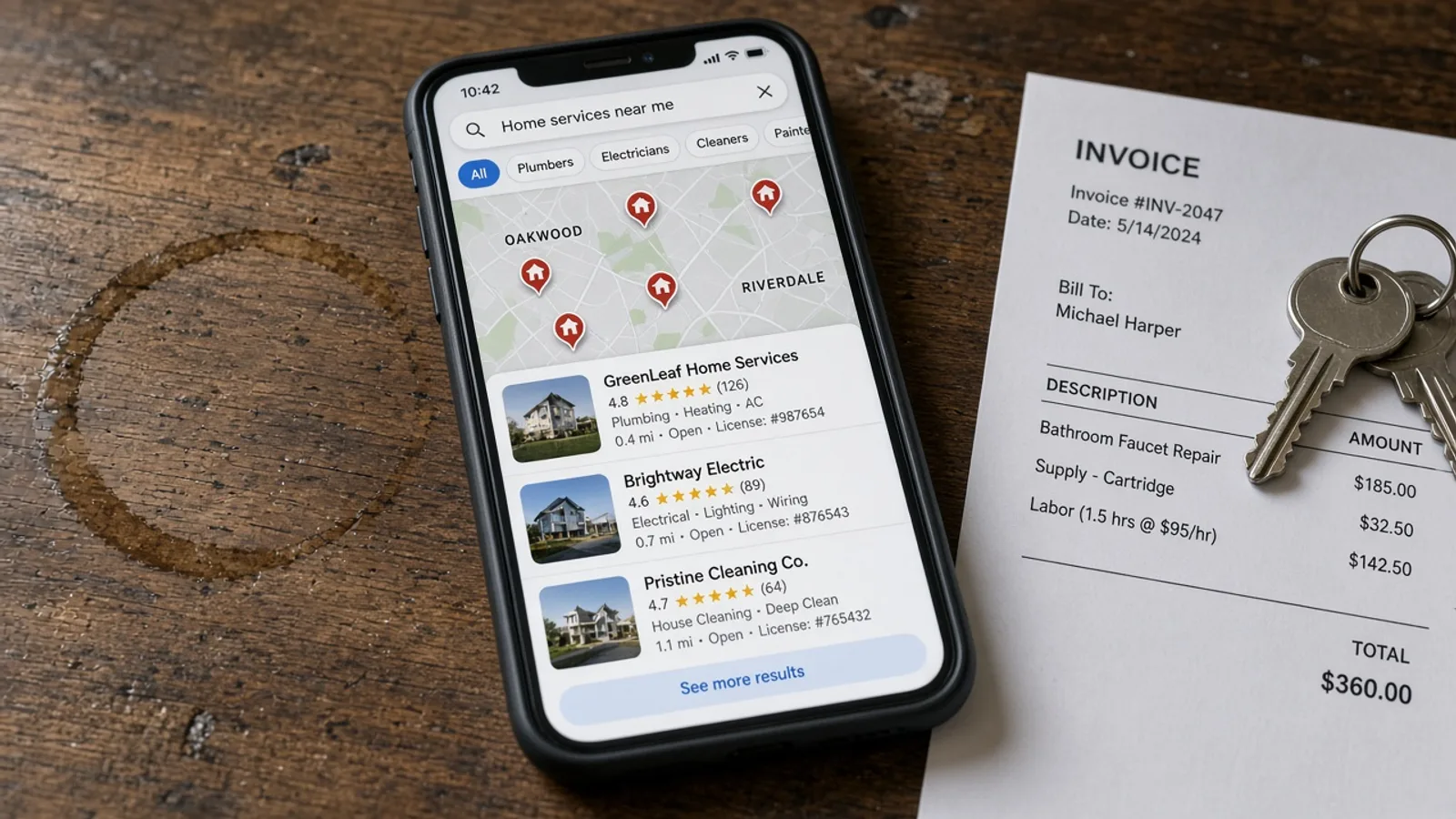








AI Overviews answer a lot of how-to questions before anyone clicks a website. That change is real. For a roofing company, a pool builder, or an HVAC shop, the search that pays the bills is still a person looking for a contractor they can call this week. Those searches still land on the Map Pack, the organic listings under it, and the reviews attached to both.
SEO is how you show up in those places with a name, a phone number, and proof you do the work. You pay for the work once and keep the lead. Ads stop when the budget stops. Aggregators sell the same name to you and two competitors. That is why SEO still sits at the center of a service company's growth plan in 2026.
What changed in search, and what did not
Google now summarizes informational queries. Someone asking how to reset a breaker or how long a water heater lasts may never leave the results page. Someone asking for a kitchen remodeler in their city, a storm-damage roofer, or an emergency plumber still wants a business. They tap the map, read reviews, and call.
AI systems also cite businesses. ChatGPT, Perplexity, Gemini, and Google AI Overviews pull from Google Business Profiles, consistent citations, structured data, and pages that answer local questions in plain language. If those sources point at a competitor, the model names them. If they point at you, you get mentioned before the call even happens.
"SEO is the asset. Ads are the faucet. If you only run the faucet, you never own the pipes."
- ·Map Pack: the three-business box that captures most local service clicks.
- ·Organic results: service pages and city pages that rank under the map.
- ·AI answers: citations in Overviews and chat tools, built from the same local signals.
Treat those as three surfaces of one system. A complete local SEO campaign works all three. AI SEO is the add-on when you want dedicated work on ChatGPT, Perplexity, and Gemini, and it only runs with active SEO.
Owning the lead beats renting it
A shared-lead marketplace bills you for a name that already went to other companies. You bid against shops that will cut price to win a job you already paid to hear about. SEO produces a call that came to you because Google showed your profile, your reviews, and your site.
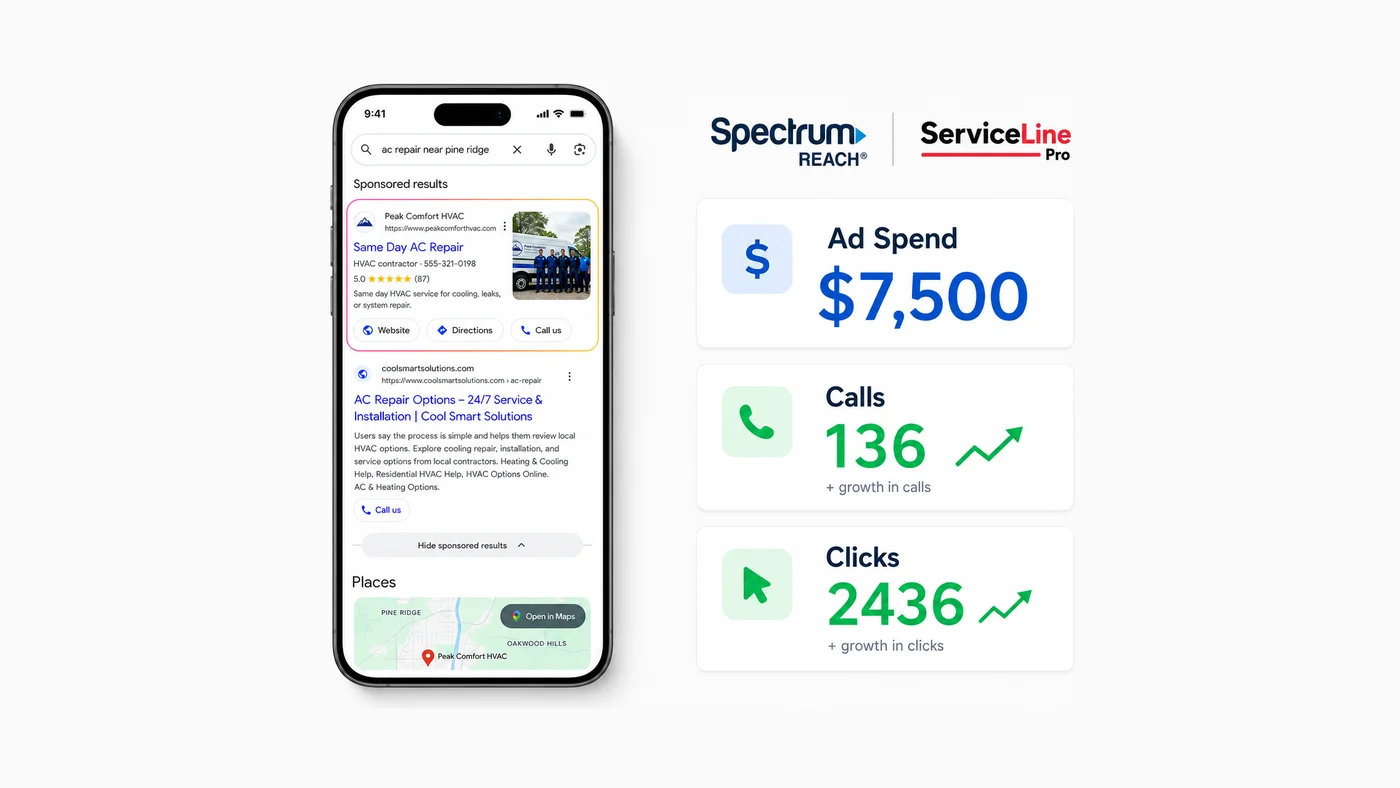
Paid search still has a job. Google Ads can produce calls inside seven days, and our Spectrum partnership means $0 agency fee so a typical $5,000 monthly spend in a competitive metro buys media, not a management markup. Use ads to fill the calendar while rankings build. Use SEO so you are not stuck renting every lead forever.
What a service owner actually has to do
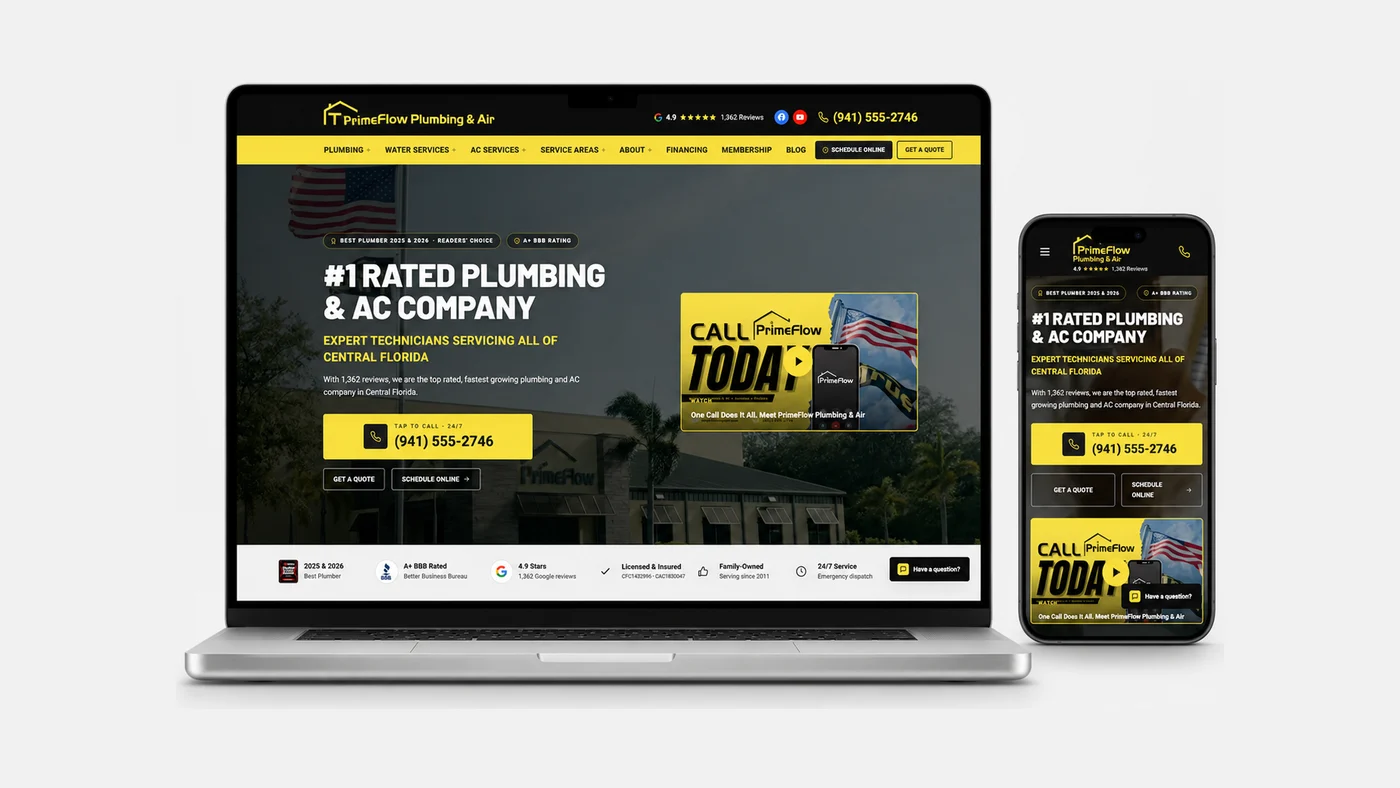
You do not need a 40-page content calendar. You need a Google Business Profile that matches the work you sell, a site that loads in under two seconds and can take a call on a phone, and pages for the jobs you want. Then you need reviews arriving every week, not twice a year after a big project.
Google Business Profile as the storefront
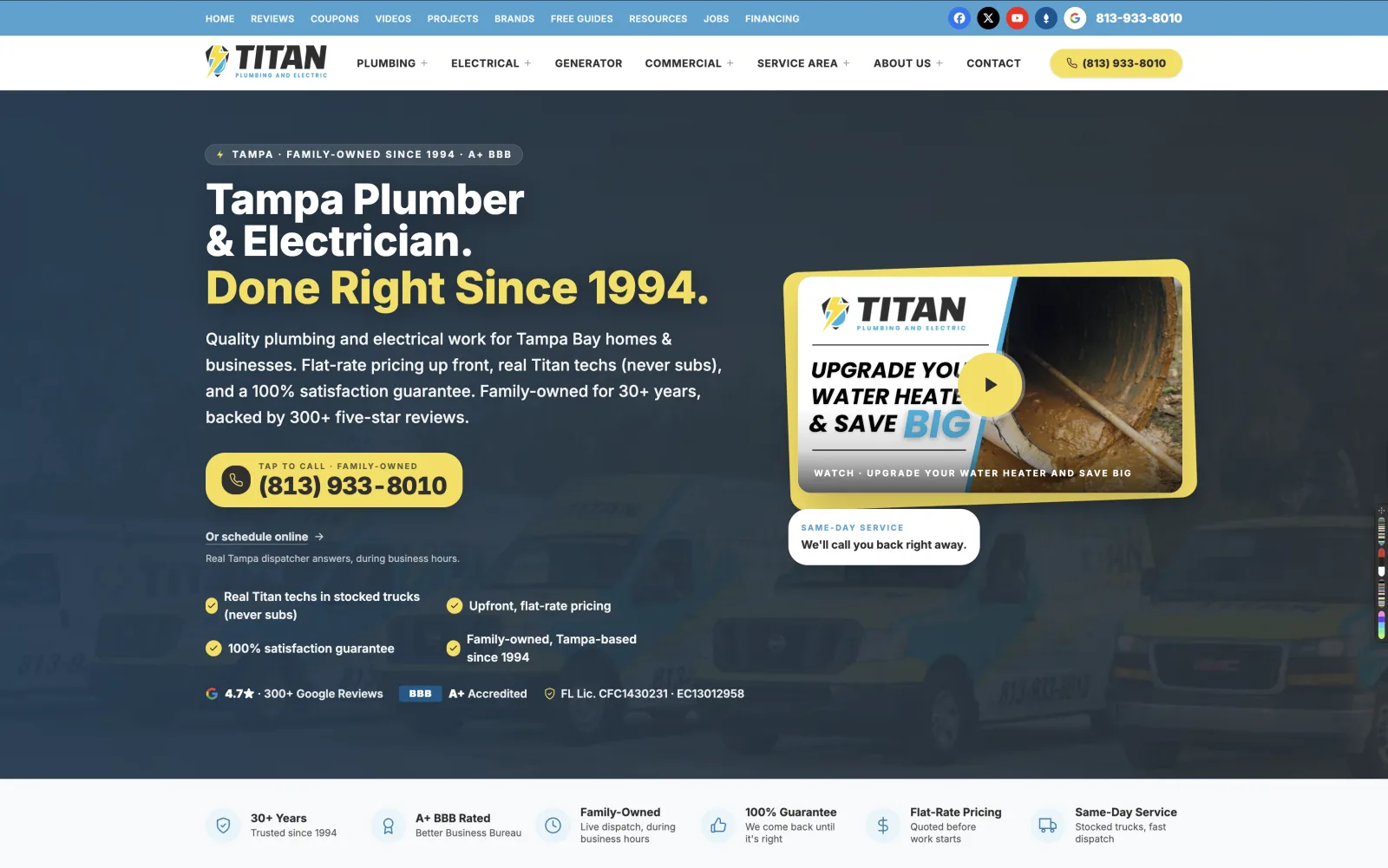
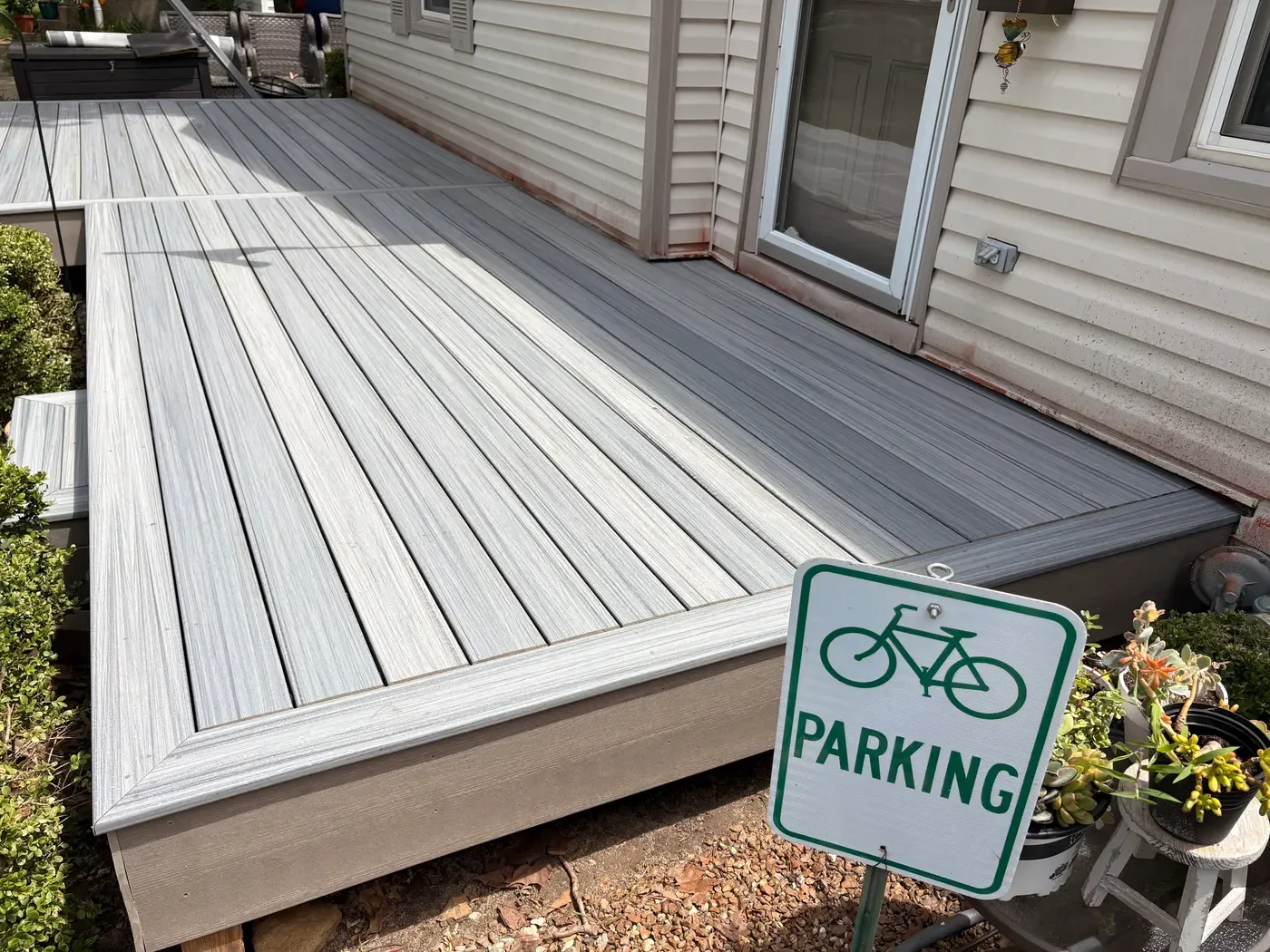
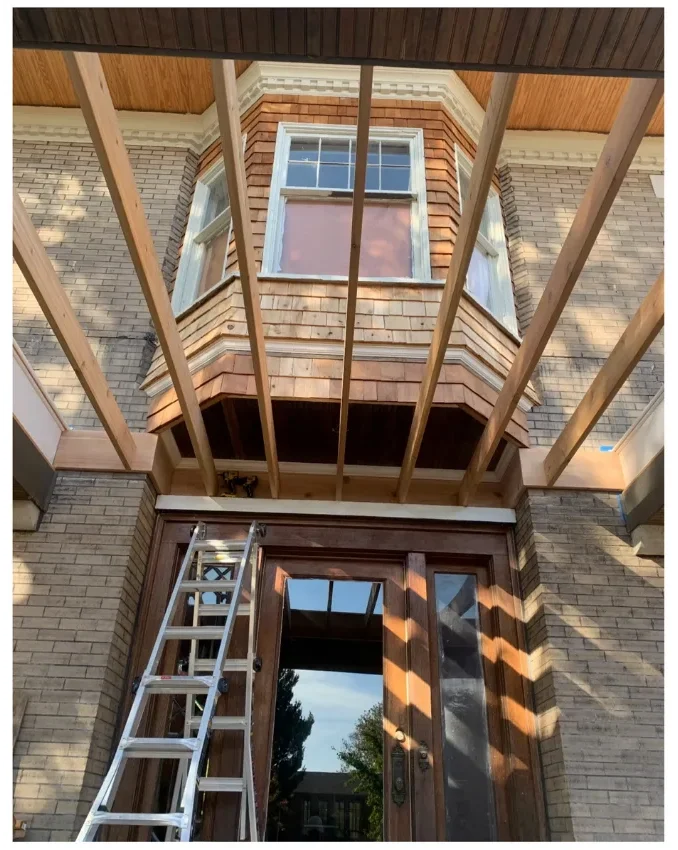
Primary category must match the trade. Roofing Contractor, General Contractor, Landscape Designer, and similar labels beat a vague Home Services category. Hours, service area, and products or services need to match the website. Photos should be real jobs, added on a schedule. Unanswered reviews sit on the listing like unreturned voicemail.
Pages for the jobs you want
One Services page cannot rank against a competitor with separate pages for roof replacement, storm repair, kitchen remodel, and outdoor kitchen. Each page needs photos from your crews, a clear service area, and a way to call. Thin city pages copied 20 times do not help. A page for a city you actually work, with jobs, permits, and housing stock that exist there, does.
Reviews on a system
Review velocity is one of the few local ranking signals you control week to week. Build the ask into job closeout. The crew lead requests it on site. The office follows up by text. See the role of reviews in local SEO for why bursts of five-star dumps look worse than a steady pace.
How long this takes, and how you measure it
Map Pack movement can start as soon as the profile, categories, and citations are cleaned up. Our SEO campaigns run $3,000 per month with a 90-day Top-3 Map Pack target. If we miss it, we keep working. Competitive organic keywords in a metro often take 6 to 12 months. Anyone selling number-one rankings in two weeks is describing a phrase nobody types.
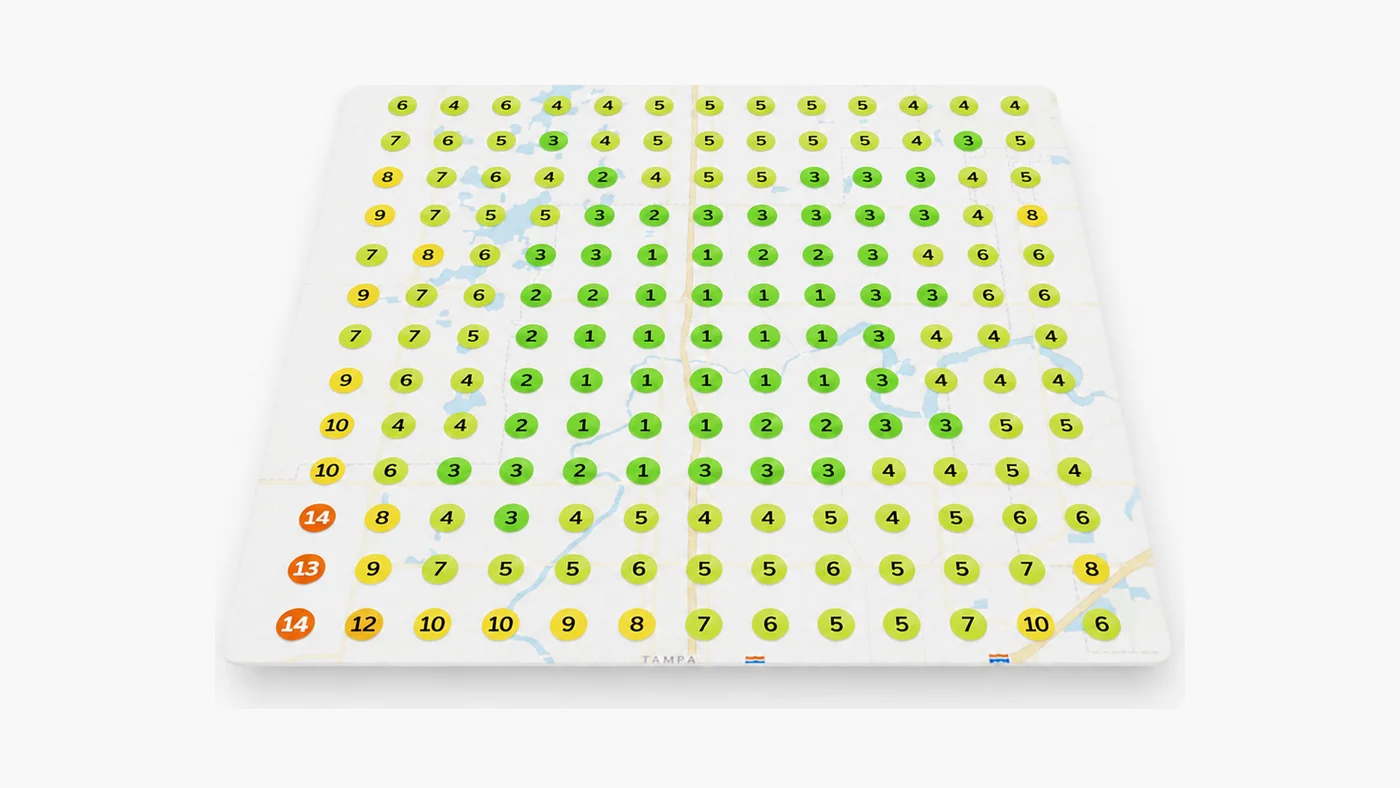
Track calls with unique numbers. Track form fills to booked estimates. Rankings on a geogrid tell you whether you show in the neighborhoods you actually serve. A monthly PDF of vanity keywords does not pay crews.
"SEO is the asset. Ads are the faucet. If you only run the faucet, you never own the pipes."
Where to start this week
- 01 Search your main service plus your city on a phone that is not logged into your Google account. Screenshot the Map Pack.
- 02 Open your Google Business Profile and check primary category, service area, and last photo upload date.
- 03 Count reviews in the last 30 days. If the number is zero, the ask is broken.
- 04 List the five jobs you want more of. Each one should have its own page or a plan to build one.
If you want that diagnosis written down, the $1,000 Growth Audit is a seven-layer report on SEO, ads, website, and Map Pack in 72 hours. It credits toward work. To talk through the plan, book a strategy call at (813) 328-6341.
What owners get wrong about AI search
A lot of contractors heard that organic clicks fell and decided SEO was over. Informational clicks did fall on queries that Google can answer in a box. Hiring queries still produce a map and a phone number. If your jobs come from people who need a crew this month, you are in the second group.
The other miss is treating ChatGPT like a replacement for Google Business Profile. Models cite businesses that already have consistent listings, reviews, and pages. You cannot skip the local work and buy an AI ranking. You can add AI SEO once the campaign exists.
A simple payback way to think about it
Take last quarter's revenue from jobs that started as a Google search (ask customers how they found you for a month if you do not track). Subtract close rate and margin the way you already do for ads. Compare that to $3,000 per month. If you cannot name the organic share yet, that is the first tracking gap to close, not a reason to skip SEO.
High-ticket trades (roofing, pools, kitchens, GC) need fewer extra jobs to cover a campaign than a low-ticket route shop. That is why we lead with those trades. A pest or law firm post can still use the same system. We do not bury those pages. We also do not pretend they are the default example.
Frequently Asked Questions
Is SEO still worth it if AI Overviews take clicks?
Informational clicks dropped for a lot of how-to queries. Hiring queries still go to the Map Pack, organic listings, and reviews. Those are the searches that book jobs for contractors.
How much does local SEO cost for a service company?
Serious local SEO typically sits in the low thousands per month. ServiceLine Pro publishes SEO campaigns at $3,000 per month with a 90-day Top-3 Map Pack target.
Should I pause ads if I invest in SEO?
Keep ads on while rankings build if you need jobs this month. Google Ads can produce leads inside seven days. SEO is the cheaper lead over a year, not a same-week replacement.
What is the difference between SEO and AI SEO?
SEO covers Google Business Profile, the website, citations, reviews, and links. AI SEO is a $1,500 per month add-on for ChatGPT, Perplexity, and Gemini visibility, and it only runs with an active SEO campaign.
Get a real diagnosis of your business.
A seven-layer review of your SEO, Google Ads, website, and Map Pack presence, delivered as a written report within 72 hours. It's $1,000 and it always credits toward any work you do with us. If we don't find $100,000 in missed revenue, we refund it.
Get the Growth Audit