




Excellent 4.9 out of 5

Home Service Marketing Experts 

Rank On Google

Local SEO

Be the First, and Only Option Your Customers See When They Search For Your Services

No Agency Fee Google Ads

Reach your ideal customers with precision targeting powered by exclusive first-party data and AI-optimized campaigns.

Pay-Per-Rank SEO and $0 Fee Google Ads built to scale your business.

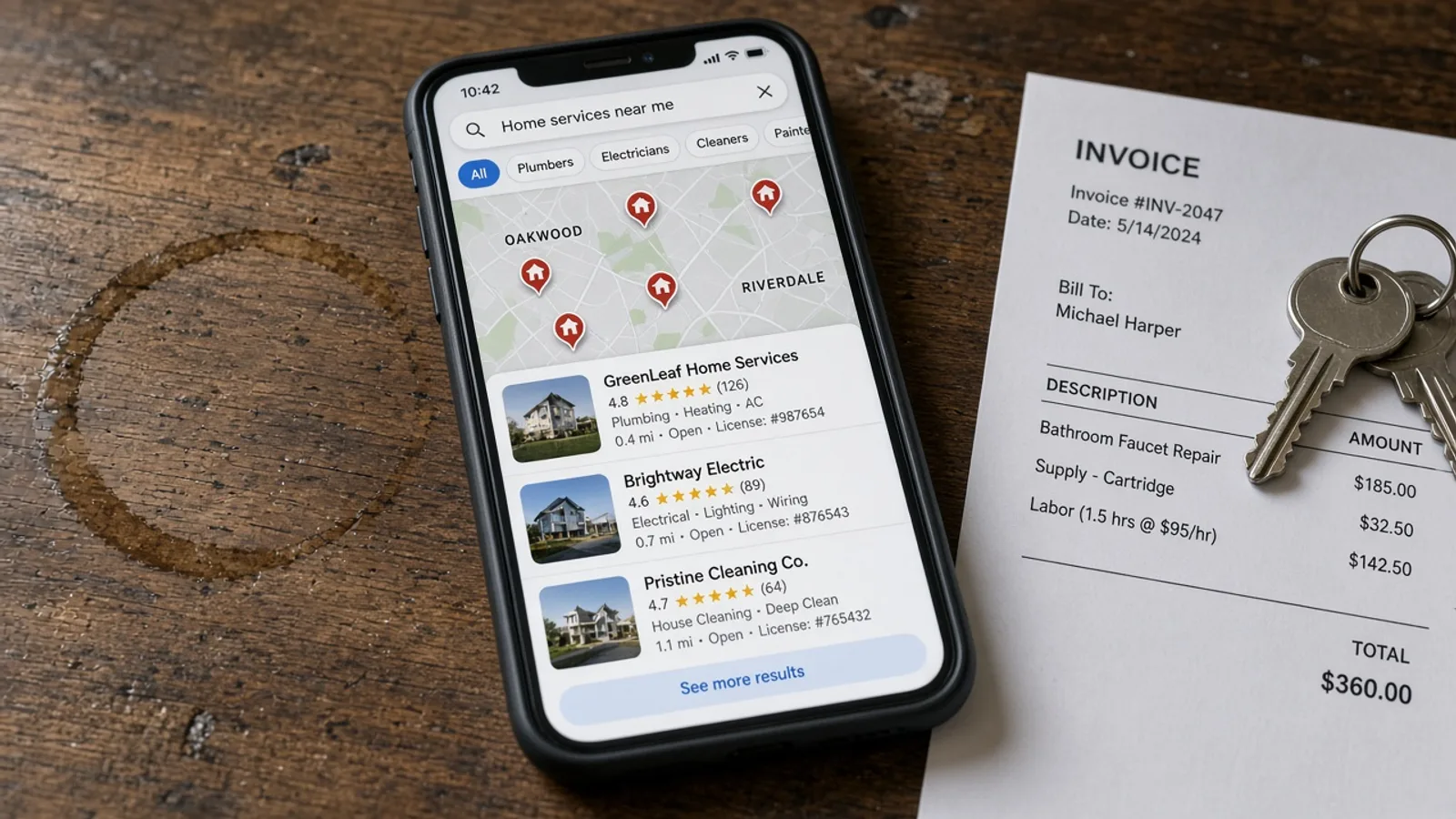
When a homeowner in Tampa searches for emergency HVAC repair at midnight, you have seconds to appear in their results. Miss that window and a competitor gets the call. Local SEO determines who wins that race, turning urgent searches into booked jobs. This guide walks Florida contractors and HVAC pros through proven 2026 strategies to capture those high intent leads and dominate local search results.

Table of Contents

Key Takeaways

Point Details
Google Business Profile optimization Drives a 70% increase in customer visits from local search results.
NAP consistency Maintaining identical business information across all platforms is critical for rankings.
Localized landing pages Custom pages for each service area significantly improve search relevance and conversions.
Active review management Responding to all reviews builds trust and directly impacts local pack rankings.
Mobile optimization Captures urgent calls and improves conversion rates for emergency service requests.

Prerequisites: What You Need Before Starting Local SEO

Before diving into optimization tactics, gather your foundational elements. Think of this as assembling your toolkit before starting a job. You need accurate data, proper access, and measurement systems in place.

Start by confirming your business Name, Address, and Phone number match exactly everywhere online. Write them down in a document. Every digit, comma, and abbreviation must be identical. Next, secure login credentials for your Google Business Profile. You cannot optimize what you cannot access.

Define your service territories clearly. Which Florida cities, neighborhoods, and ZIP codes do you actually serve? Create a list. Understanding your coverage areas shapes every content and targeting decision moving forward. Similarly, identify your ideal customer profile. Are you targeting residential homeowners, commercial property managers, or both?

Ensure you have Content Management System access to your website. You will need to edit pages, add content, and implement technical improvements. Without CMS access, you are stuck. Finally, set up Google Analytics and Google Search Console if you have not already. These free tools track performance, reveal search queries bringing traffic, and flag technical issues. You cannot improve what you do not measure.

Having these elements ready prevents delays and false starts. Local SEO requires consistent, coordinated updates across multiple platforms. Missing credentials or unclear targeting wastes time and dilutes results.

Step 1: Optimize Your Google Business Profile

Your Google Business Profile controls whether you appear in the local map pack, that coveted three business cluster showing above organic results. Businesses with optimized Google Business Profiles see a 70% increase in customer visits from local search. That traffic converts because searchers already have high intent.

Start with accuracy. Verify your NAP matches your website and citations perfectly. Update business hours including after hours or emergency availability. Many HVAC and contractor searches happen outside normal business hours. If your profile says you are closed, searchers move to the next listing.

Select your primary category carefully. For HVAC pros, that might be “HVAC Contractor” or “Air Conditioning Contractor.” Choose the most specific match. Then add secondary categories like “Heating Contractor” or “Air Duct Cleaning Service.” Categories directly influence which searches trigger your profile.

Write detailed service descriptions. Do not just list services. Explain what makes you different. Mention certifications, years in business, or specialties like ductless systems or commercial installations. Use natural language that includes relevant keywords without stuffing.

Upload high quality photos regularly. Show your team, completed projects, trucks with branding, and before/after shots. Profiles with photos get 42% more requests for directions and 35% more clicks to websites. Add posts monthly about promotions, seasonal tips, or new services. Google rewards active profiles with better visibility.

Define service areas precisely. List every city and ZIP code you serve in Florida. This targeting connects your profile to location specific searches. Follow these optimized Google Business Profile strategies to maximize your map pack presence.

Pro Tip: Set your business hours to include emergency availability if you offer 24/7 service. This captures late night and weekend searches when competitors appear closed.

Step 2: Build Hyper-Localized Landing Pages

Generic service pages rank poorly because they lack local relevance. Hyper localized landing pages target specific Florida neighborhoods, cities, or service areas with custom content. This approach dramatically improves rankings for geo targeted searches like “HVAC repair in Clearwater” or “roofing contractor near Boca Raton.”

Create a dedicated page for each major service area. Do not duplicate content across pages. Write unique descriptions mentioning local landmarks, climate considerations, or common service needs in that area. For Tampa pages, discuss humidity challenges and hurricane preparedness. For Miami content, address saltwater corrosion and cooling demands.

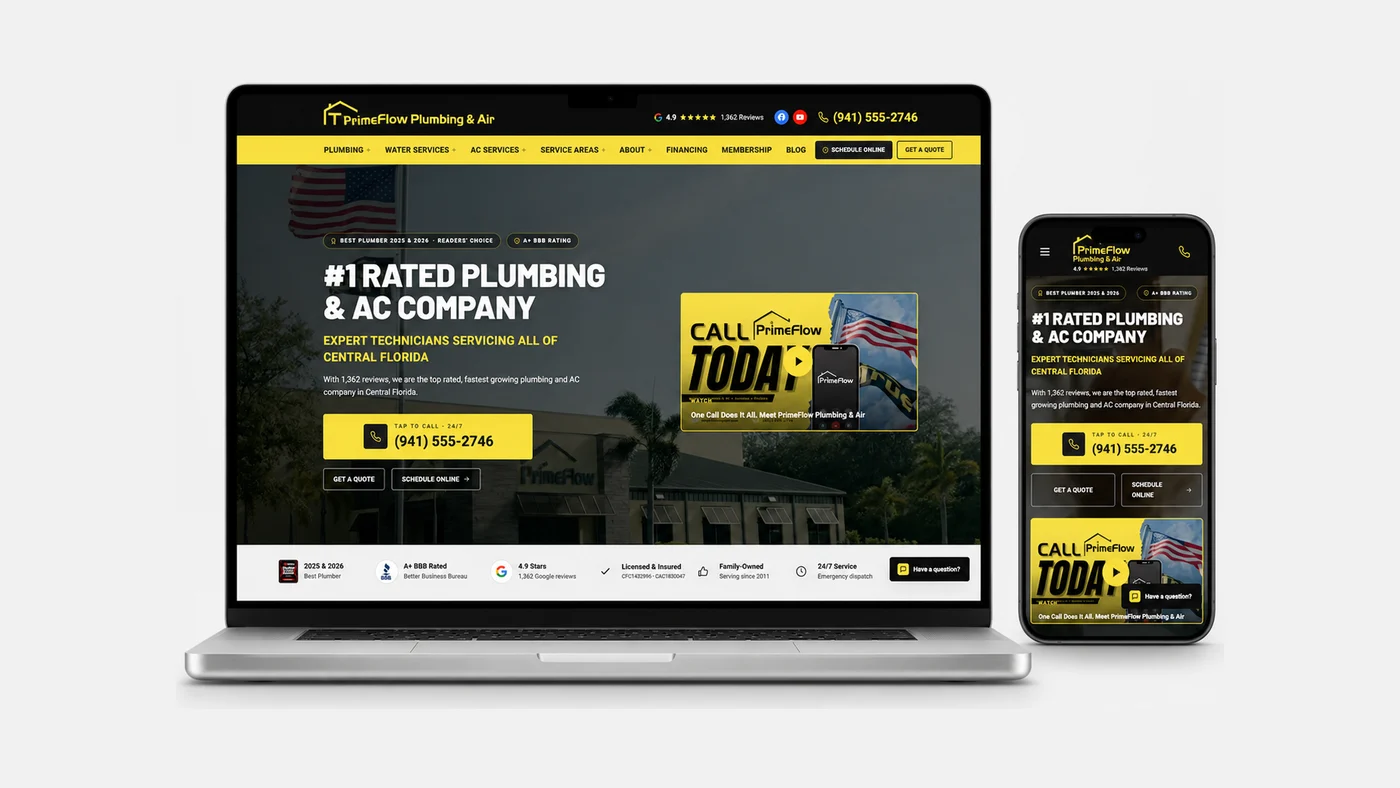
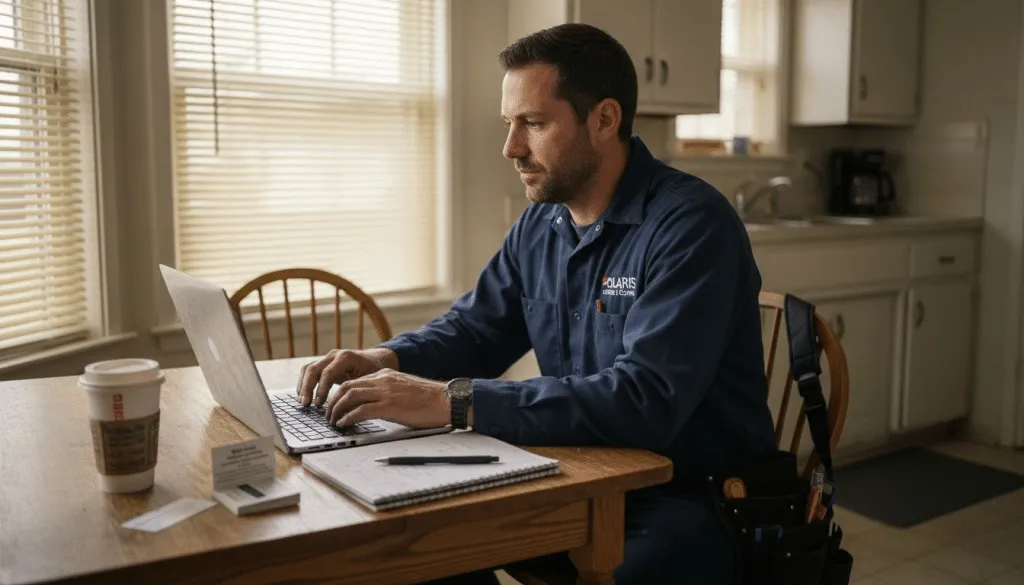
Contractor building a local service web page

Incorporate local keywords naturally throughout the page. Include the city name in your H1 heading, opening paragraph, and several subheadings. Use variations like “in [City]” and “near [Neighborhood]” without forcing awkward phrasing. Add “near me” contexts where appropriate since voice searches increasingly use this language.

Embed testimonials from customers in that specific area. Social proof builds trust, and location specific reviews reinforce your local authority. Include the customer’s city in the testimonial attribution when possible.

Add an embedded Google Map showing your service coverage in that area. Place clear contact information prominently, including click to call phone numbers for mobile users. Urgent service requests happen on phones, so remove friction from the calling process.

Optimize page speed and mobile responsiveness. Run Google PageSpeed Insights on each landing page. Compress images, minimize code, and eliminate render blocking resources. Slow pages lose conversions, especially for emergency services where customers want immediate help. Apply these hyper-local content strategies across your service territories.

Step 3: Manage Citations and Online Reputation

Citations are online mentions of your business name, address, and phone number. They appear in directories like Yelp, Angie’s List, HomeAdvisor, and local Florida business listings. Consistent citations build trust signals that boost local rankings. Inconsistent citations confuse search engines and tank your visibility.

Over 60% of local SEO failures are caused by inconsistent NAP data, poor review management, or ignoring mobile optimization. Start by auditing your existing citations. Search for your business name in Google and check major directories. Note discrepancies in address formatting, phone numbers, or business names.

Update every citation to match your standardized NAP exactly. If your website says “123 Main Street,” but a directory says “123 Main St.,” fix it. Pay attention to suite numbers, abbreviations, and area codes. Claim unclaimed listings and remove duplicate profiles that dilute your authority.

Focus on industry specific directories like Houzz for contractors or specialized Florida business directories. Local citations carry more weight than generic national directories. Build 30 to 50 quality citations across relevant platforms.

Develop a systematic review generation process. After completing jobs, send follow up emails or texts requesting reviews. Make it easy by providing direct links to your Google Business Profile review page. Time these requests within 24 to 48 hours when customer satisfaction peaks.

Respond to every review, positive or negative, within 24 hours. Thank customers for positive feedback and mention specific details from their review. For negative reviews, apologize sincerely, address concerns professionally, and offer to resolve issues offline. Potential customers read your responses to gauge your professionalism and customer service.

Use reputation management tools to monitor mentions across platforms. Set up Google Alerts for your business name. Never buy fake reviews or gate your review requests by only asking happy customers. These tactics violate platform policies and damage credibility when discovered. Implement proper review and citation management tips to build authentic authority.

Pro Tip: Create a simple one page printed card with a QR code linking directly to your Google review page. Hand these to satisfied customers right after completing service when their experience is fresh.

Step 4: Technical SEO and Mobile Optimization

Technical SEO forms the foundation supporting your content and citations. Without proper technical implementation, search engines struggle to crawl, index, and rank your pages correctly. Mobile optimization captures the 60% of local searches happening on smartphones, many of which are urgent service requests.

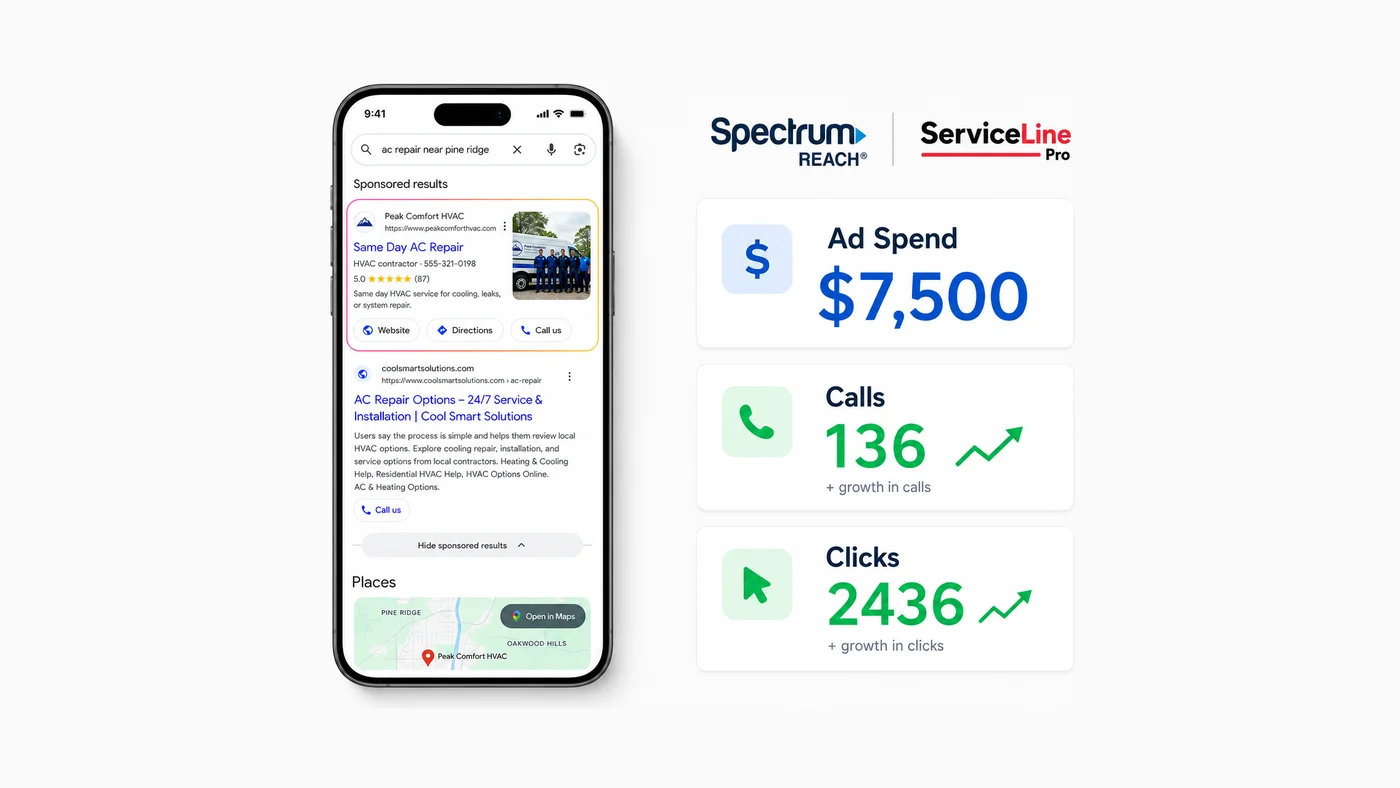
Infographic summarizing local SEO for contractors

Implement local business schema markup on your website. This structured data tells search engines exactly what your business does, where you operate, and how to contact you. Schema markup can boost click-through rates by up to 20% by helping search engines better interpret business data. Schema enables rich snippets showing ratings, business hours, and service areas directly in search results.

Verify NAP consistency between your website footer, contact page, and every landing page. These must match your Google Business Profile and citations identically. Even small discrepancies create ranking problems.

Improve site speed relentlessly. Google considers page speed a ranking factor, and users abandon slow sites. Compress images using tools like TinyPNG. Enable browser caching. Minify CSS and JavaScript. Use a Content Delivery Network for faster asset loading. Target load times under three seconds on mobile.

Technical Element Impact on Local SEO Implementation Priority
Schema Markup Enables rich snippets, improves CTR High
Mobile Responsiveness Captures mobile searchers, reduces bounce rate Critical
HTTPS Security Trust signal, ranking factor High
Page Speed Affects rankings and conversions Critical
Click to Call Buttons Increases phone conversions High

Ensure your site uses responsive design that adapts to all screen sizes. Test on actual mobile devices, not just browser simulators. Buttons must be large enough to tap easily. Contact information should appear prominently without scrolling.

Add click to call buttons throughout mobile pages using tel: links. When someone searches for emergency HVAC repair on their phone, they want to call immediately. Remove obstacles between their search and your phone ringing. Enable click to call on your phone number in the header, footer, and within service descriptions.

Install an SSL certificate if you have not already. HTTPS is a ranking signal and builds trust. Modern browsers flag non HTTPS sites as “Not Secure,” which scares potential customers away. Apply these technical local SEO tactics systematically. Learn more about proper schema implementation for local SEO to maximize your technical foundation.

Common Mistakes and Troubleshooting

Even experienced business owners make preventable local SEO errors that cost leads and waste marketing budgets. Recognizing these pitfalls helps you avoid them and troubleshoot problems when rankings stall.

Inconsistent NAP information remains the most common and damaging mistake. When your phone number differs between your website, Google Business Profile, and directories, search engines cannot verify which version is correct. This confusion tanks your credibility and rankings. Audit quarterly to catch discrepancies before they cause damage.

Ignoring review management leaves money on the table. Potential customers read reviews before calling. Businesses that respond to reviews convert better because responses demonstrate you care about customer satisfaction. Neglecting negative reviews signals indifference. Ignoring positive reviews wastes opportunities to reinforce your strengths.

Using vague service categories or skipping geo targeting reduces your local reach dramatically. If you select “Contractor” instead of “HVAC Contractor,” you compete against every type of contractor instead of your actual competitors. Missing geo targeting means your profile does not appear for city specific searches. Get specific with categories and service areas.

Neglecting mobile optimization cuts emergency call conversions significantly. Over 60% of local SEO failures can be traced to inconsistent NAP data, poor mobile optimization, and neglecting review management. When someone searches on their phone at 11 PM with a broken AC, they need a mobile friendly site with easy calling. Clunky mobile experiences send them to competitors.

Failing to track performance means you cannot identify what works or what needs improvement. Without analytics, you waste budget on ineffective tactics while missing opportunities to double down on successful strategies. Check common local SEO pitfalls to avoid these errors. If you are experiencing ranking drops or lead declines, start fixing local SEO failures systematically.

“The biggest mistake contractors make is treating local SEO as a one time project instead of an ongoing process. Search algorithms, competitor strategies, and customer behavior constantly evolve. Consistent optimization and monitoring separate businesses that dominate local search from those that disappear.”

Expected Results and Measuring Success

Local SEO delivers compounding returns over time. Unlike paid ads that stop generating leads when you stop paying, organic rankings continue driving traffic. Understanding realistic timelines and key metrics helps you stay committed through the initial growth phase.

Expect noticeable lead increases within three to six months of consistent implementation. The first 30 days focus on setup, citations, and profile optimization. Months two and three bring initial ranking improvements as search engines index your updates. Months four through six show measurable traffic and lead growth as authority builds.

Well optimized contractors typically generate 150 to 500 qualified local leads monthly depending on market size, competition level, and service offerings. Larger Florida metros like Miami, Tampa, and Orlando support higher lead volumes. Smaller markets generate fewer total leads but often convert at higher rates due to less competition.

Metric What It Measures Target Benchmark
Map Pack Rankings Visibility in top 3 local results Top 3 for primary keywords
Organic Traffic Website visits from search 30% monthly growth
Phone Calls Direct call volume 50+ qualified calls monthly
Form Submissions Online contact requests 20+ submissions monthly
Conversion Rate Leads converting to customers 15 to 25% close rate

Track Key Performance Indicators weekly. Monitor your Google Business Profile insights for views, clicks, and calls. Check Google Search Console for ranking improvements and new keyword opportunities. Review Google Analytics for traffic sources, bounce rates, and goal completions.

Measure phone call volume separately for tracking since many local leads call directly without visiting your website. Use call tracking numbers or ask new customers how they found you. This data reveals which local SEO tactics drive actual business.

Successful local SEO campaigns generate substantial returns. Studies show optimized local search strategies can yield over 678% ROI over three years when properly implemented. Your cost per lead drops as organic rankings improve while paid advertising costs continuously rise. Focus on sustainable growth through consistent optimization rather than chasing overnight results.

Boost Your Local SEO with ServiceLine Pro

Mastering local SEO takes time, expertise, and consistent effort. While this guide provides the roadmap, execution demands specialized knowledge and ongoing optimization. ServiceLine Pro helps Florida home service businesses implement these exact strategies to dominate local search results and generate consistent leads.

https://servicelinepro.com

Our team handles the technical complexity while you focus on serving customers. We optimize your Google Business Profile, build citations, create localized content, and monitor performance continuously. Our proven process follows the SEO strategy step-by-step outlined in this guide, customized for your specific Florida markets. We deliver measurable results through local search engine ranking services designed specifically for contractors and HVAC professionals. Discover local SEO solutions for home services that turn search visibility into booked jobs.

Frequently Asked Questions

How long until I see results from local SEO efforts?

Most businesses notice initial improvements within 60 to 90 days, with substantial lead increases by month four to six. Local SEO builds momentum gradually as search engines recognize your authority and consistency. Quick wins like Google Business Profile optimization can drive traffic within weeks, while competitive keyword rankings take longer.

What tools do I need to track my local SEO performance?

Google Analytics, Google Search Console, and Google Business Profile Insights provide essential free data. These tools track website traffic, search rankings, profile views, and customer actions. Consider adding call tracking software to measure phone leads. BrightLocal or Moz Local help monitor citations and rankings across multiple locations.

How can I encourage customers to leave genuine reviews?

Request reviews within 24 to 48 hours after completing service when satisfaction peaks. Send personalized follow up messages with direct links to your review profiles. Make the process effortless. Respond to all existing reviews to show you value feedback. Never incentivize reviews with discounts or payments, as this violates platform policies.

Absolutely critical. Over 60% of local searches happen on mobile devices, often during urgent situations requiring immediate service. Mobile friendly sites with click to call functionality capture these high intent leads while competitors with poor mobile experiences lose them. Google prioritizes mobile optimization in local rankings.

What are the main SEO mistakes to avoid for Florida contractors?

Inconsistent business information across platforms destroys local rankings. Neglecting review management loses customer trust and conversion opportunities. Ignoring mobile optimization cuts emergency lead conversions dramatically. Using vague service categories and skipping location targeting reduces visibility by 25% or more. Track performance constantly to catch and fix issues early.

Share This Post!

Did you enjoy reading this post? Share it with others.

Contact Us for Your Strategy Call

Connect with us

ServiceLine Pro

8770 Huntfield St, Tampa, FL 33635

Tampa, Florida | USA

Mon-Fri, 7:00am  7:00pm EST

Saturday, 11:00am – 5:00pm EST

Sunday, Closed

© 2026 ServiceLine All Rights Reserved | Privacy Policy | Terms & Conditions | Sitemap

Get In Touch
We respond fast
Let's get your info so we can stay connected.
Takes about 30 seconds. No spam, ever.
How can we reach you?
We'll text you, not call you out of nowhere.
🇺🇸
What are you looking for?
Tap everything that applies. Website is optional.
Pay-Per-Rank SEO
Google Ads
Local SEO
Website Design
Full Package
Other
One last thing.
We just need your OK to send a text back.