




Excellent 4.9 out of 5

Home Service Marketing Experts 

Rank On Google

Pay-Per-Result SEO

Be the First, and Only Option Your Customers See When They Search For Your Services

No Agency Fee Google Ads

Reach your ideal customers with precision targeting powered by exclusive first-party data and AI-optimized campaigns.

Pay-Per-Rank SEO and $0 Fee Google Ads built to scale your business.

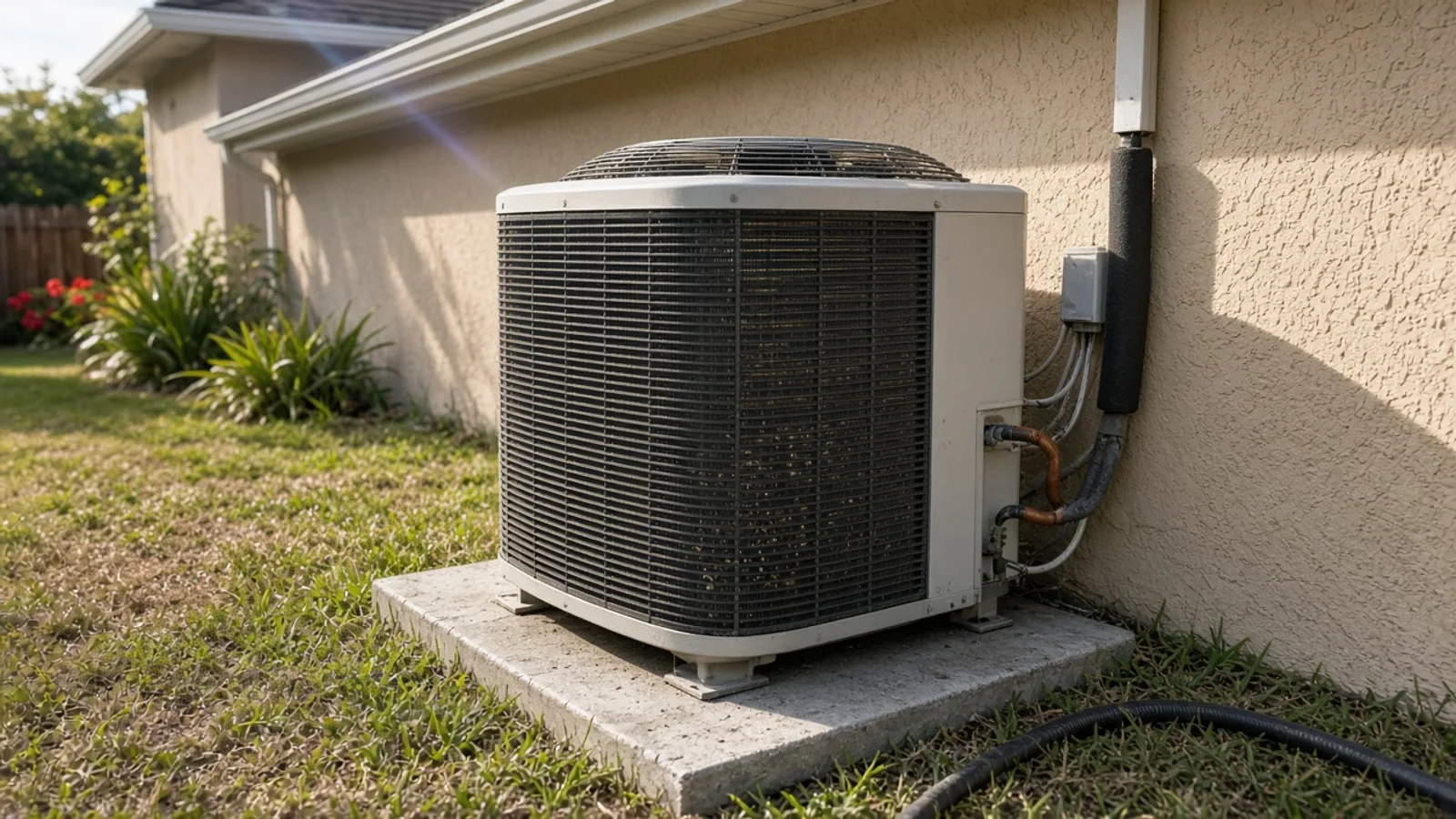
Running digital ads without a plan feels like adjusting an AC unit blindfolded—you waste money and miss cool results. For Florida HVAC contractors and plumbers, measuring what matters and making smart campaign tweaks means every ad dollar counts toward real revenue. By focusing on continuous measurement and data-driven adjustments, you set your business on track for $1M-plus growth instead of leaving success to chance.

Table of Contents

Key Takeaways

Point Details
Ad Campaign Optimization Continuously adjust your advertising efforts based on real performance data to achieve specific business goals such as increasing qualified leads and revenue.
Importance of Measurement Establish a baseline for tracking metrics like total ad spend, leads generated, and job close rates, allowing for informed data-driven adjustments.
Choosing the Right Strategy Optimize your campaigns with tailored strategies, such as market penetration or diversification, depending on your current business goals and service areas.
Leveraging Data Use multichannel insights and consistent branding to effectively reach your target audience and improve campaign performance over time.

Defining Ad Campaign Optimization Basics

Ad campaign optimization means adjusting your ads continuously based on real performance data to hit your specific business goals. For HVAC contractors and plumbers, this translates directly to more qualified leads and higher revenue per dollar spent.

Think of it like tuning an AC system. You don’t set it once and walk away—you monitor, measure, and adjust based on what’s actually happening in the field. The same principle applies to your ad spend.

What Makes Ad Campaign Optimization Different

Optimization isn’t about running ads. It’s about running ads that work harder for your money.

Measuring marketing effectiveness requires setting clear goals, identifying performance indicators, and conducting audits of your current efforts to spot gaps. You need to know which ads drive calls, which drive form submissions, and which are just burning cash.

Here’s what optimization actually involves:

  • Clear goals: Define what success looks like (lead volume, cost per lead, revenue target)
  • Key metrics: Track the data that matters (click-through rate, conversion rate, cost per qualified lead)
  • Continuous testing: Run experiments to find what resonates with your local market
  • Data-driven adjustments: Make decisions based on numbers, not guesses
  • Resource allocation: Shift budget to strategies delivering the best return

Without optimization, you’re essentially throwing money at ads hoping something sticks. With it, you’re systematically finding what works and amplifying it.

Why This Matters for Your Business

An unoptimized campaign bleeds cash. A contractor running generic ads to a broad audience might pay $40 for a lead that never converts. The same ad spend, optimized properly, could drop that cost to $15 while attracting homeowners who actually need your services.

That’s the difference between treading water and scaling to $1M plus in revenue.

Ad campaign optimization uses strategic design, testing, and continuous evaluation to refine campaigns, amplify successful elements, and reach audiences more effectively. This insight-driven, audience-first approach helps you understand who responds to your messaging and when.

For plumbers and HVAC specialists, optimization means:

  1. Finding the homeowners actively searching for your services
  2. Showing them ads that speak to their specific needs (emergency repairs, seasonal maintenance, replacements)
  3. Measuring which ads drive phone calls versus form submissions
  4. Reallocating budget away from underperformers
  5. Testing new audiences and messaging continuously

The Foundation: Know Your Numbers

Optimization starts with baseline data. Before you can improve anything, you need to know what’s happening right now.

Track these essentials from day one:

  • Total ad spend
  • Leads generated
  • Cost per lead
  • Lead quality (which ones actually schedule jobs)
  • Job close rate from ads
  • Revenue attributed to each campaign

Without this baseline, adjustments are guesswork. With it, you can see exactly which levers move the needle.

Optimization without measurement is just spending money and hoping. Measurement without optimization wastes the insights you’ve collected.

Real-World Application for Home Services

Let’s say you’re running Google Ads for emergency plumbing services. Your initial campaign costs $25 per lead but only converts 10% to actual jobs. By testing different ad copy, adjusting bid strategies, and refining your audience targeting, you might discover that leads from a specific zip code convert at 25%—cutting your effective cost per job in half.

Plumber tracking campaign performance metrics

That’s optimization in action. You didn’t work harder; you worked smarter.

Pro tip: Start tracking every metric from your first ad dollar spent, even if you’re not ready to optimize immediately. Historical data becomes your roadmap for understanding what works in your specific market and season.

Key Types of Optimization Strategies

Optimization isn’t one-size-fits-all. Different strategies work for different business goals, market positions, and customer behaviors. For HVAC contractors and plumbers in Florida, choosing the right strategy depends on where you are in your growth journey.

Think of optimization strategies as different routes to the same destination. Some take the highway, some take side roads, but they all get you to revenue growth.

Market Penetration: Dominate Your Current Market

Market penetration focuses on selling more services to customers in your existing geographic area. This is the strategy for contractors ready to capture more of the local market share.

When you pursue market penetration, you’re not looking for new service types or new regions. You’re asking: “How do I get more plumbing jobs in my zip codes this month?”

This strategy works best when:

  • You already have strong brand recognition locally
  • Your service area is underserved relative to demand
  • You want faster results without geographic expansion
  • Budget is limited and you need quick wins

Optimization tactics for market penetration include aggressive local Google Ads targeting, seasonal campaigns (emergency services in summer heat), and retargeting past customers. You’re maximizing revenue from existing territory.

Here’s a quick comparison of ad campaign optimization strategies for home service contractors:

Strategy Type Target Focus Typical Outcomes Common Challenges
Market Penetration Existing local customers Faster revenue, higher market share Limited by current market size
Market Development New geographic regions Diversified revenue sources Requires extra brand awareness
Multi-Channel Multiple digital platforms Increased visibility, better engagement Requires message consistency
A/B Testing Variable campaign elements Improved conversion rates Can be time-consuming to test
Diversification New services/markets Additional revenue streams Higher risk, possible dilution

Market Development: Expand Your Service Area

Market development means entering new geographic areas with your current services. You’re still offering plumbing or HVAC—just to different neighborhoods or nearby cities.

This requires different ad strategies. You need audience segmentation to focus on the most relevant customer groups in unfamiliar territory. What works in Tampa might not resonate the same way in Jacksonville.

Market development makes sense when:

  • Your current market is saturated
  • You want to reduce dependency on one area
  • You have capacity to service new regions
  • Local competitor density is high

Multi-Channel Deployment: Be Where Customers Are

Multi-channel deployment ensures message consistency across platforms while meeting customers where they search and browse. A homeowner might find you on Google Ads, then see a retargeting ad on Facebook, then call your number.

For home services, multi-channel typically includes:

  • Google Search Ads (intent-based, high-converting)
  • Local Services Ads (trust signals, proximity)
  • Facebook and Instagram (brand awareness, retargeting)
  • Google Display Network (broad reach)

Consistency across channels matters. Your messaging about “24/7 emergency plumbing” should be identical everywhere. Your brand voice should sound like you, not generic.

A/B Testing: Systematic Improvement

A/B testing enables iterative improvement of creative elements and targeting criteria, maximizing campaign effectiveness over time. You test one variable, measure results, then implement the winner.

Test these elements methodically:

  1. Ad headlines (“Emergency Plumber Available Now” vs. “Licensed Plumber—Same Day Service”)
  2. Landing page copy (focus on urgency vs. cost savings)
  3. Call-to-action buttons (“Call Now” vs. “Schedule Free Inspection”)
  4. Audience segments (homeowners vs. property managers)
  5. Keywords and bid amounts

Test one variable at a time. Testing headlines and landing pages simultaneously makes it impossible to know which change actually improved performance.

Diversification: Spread Risk and Revenue

Diversification means adding new service types (water heaters, maintenance plans) or entering new markets simultaneously. It’s higher risk but offers stability if one service faces seasonal slowdowns.

For contractors scaling toward $1M-plus revenue, diversification often happens naturally as you grow. You start with emergency calls, then add maintenance plans, then seasonal services.

Pro tip: Start with market penetration in your strongest territory before expanding geographically or diversifying services. You need to prove your optimization playbook works in one market before scaling it to three.

How Optimization Drives Measurable Results

Optimization without measurement is just guessing. The real power comes when you track specific metrics, see what’s working, and adjust accordingly. This is how contractors move from $500K revenue to $1M-plus.

When you optimize systematically, every ad dollar works harder. You’re not hoping for results—you’re engineering them.

The Metrics That Matter

Optimization focuses on critical campaign metrics such as exposure, awareness, engagement, and impact. For home services, this means tracking everything from clicks to actual jobs booked.

Start with these core metrics:

  • Exposure: How many people see your ads (impressions)
  • Awareness: How many click or interact (click-through rate)
  • Engagement: How many take action (form submissions, calls)
  • Impact: How many convert to paying jobs (conversion rate, revenue)

Each metric tells a different story. High clicks but low conversions means your ad attracts the wrong audience. High cost-per-click but low call volume means your landing page isn’t compelling.

From Data to Action

Raw numbers mean nothing without context. A $20 cost per lead sounds expensive until you realize 40% convert to $3,000 jobs. That same $20 lead just generated $1,200 in profit.

This is where optimization creates real momentum. You identify which channels, audiences, and messages drive profitable leads. Then you pour more budget there.

Optimization reveals patterns:

  1. Which zip codes respond best to your messaging
  2. Which keywords attract qualified leads versus tire-kickers
  3. Which ad copy drives phone calls versus form fills
  4. Which times of day produce highest-quality leads
  5. Which audience characteristics predict job closures

Real-Time Dashboards Enable Swift Adjustments

Real-time data facilitates rapid insights, allowing swift adjustments that enhance overall effectiveness and return on investment. You don’t wait a month to see results—you see them today.

A good dashboard shows you:

  • Daily spend and lead volume
  • Cost per lead trending up or down
  • Which campaigns are in budget
  • Conversion rates by source
  • Revenue attributed to each channel

When you see cost per lead spike on Tuesday, you adjust bids Wednesday. When you notice emergency service keywords convert better, you increase budget there. This agility separates contractors scaling fast from those plateauing.

The Compounding Effect

Small optimizations compound over time. A 10% improvement in conversion rate this month, combined with 5% better lead quality next month, combined with 8% more volume the month after—that’s 23% better overall performance in 90 days.

That’s the difference between predictable growth and explosive growth.

Optimization isn’t about one perfect decision. It’s about 100 small decisions, each slightly better than the last, stacking on top of each other.

Why Contractors Fail at Optimization

Most contractors either ignore data completely or obsess over the wrong metrics. You might track clicks when you should track jobs. You might chase low cost-per-click when profitable leads matter more.

The contractors winning consistently know their numbers cold. They know exactly how much they can afford to spend per lead and still hit profit targets. They’re not guessing—they’re calculating.

Pro tip: Set up conversion tracking before running a single dollar of ads. You cannot optimize what you cannot measure, and most contractors waste months running blind because they didn’t implement tracking properly from day one.

Essential Metrics and Tools for Success

Metrics without tools are meaningless. Tools without the right metrics are noise. Success requires both working together seamlessly.

For HVAC contractors and plumbers scaling toward $1M revenue, the right combination transforms confusion into clarity. You move from “Are my ads working?” to “Exactly how much profit each ad generates.”

The Four Categories of Metrics

Essential metrics for optimizing ad campaigns include awareness metrics, engagement metrics, conversion metrics, and ROI calculations. Each category answers a different question about campaign performance.

Infographic showing four ad campaign metrics

Awareness metrics show how many people know you exist. Brand recall, impressions, and reach live here. These matter but don’t generate revenue directly.

Engagement metrics reveal how many people interact with your ads. Click-through rates, form submissions, and video views show intent—someone clicked because your message resonated.

Conversion metrics track actual business outcomes. Leads generated, jobs booked, and revenue closed are what matter most. A high click rate means nothing if conversions are zero.

ROI calculations connect spending to profit. If you spent $5,000 on ads and generated $25,000 in revenue, that’s a 5x return. This is the metric that determines whether you scale or pause.

Below is a summary of key campaign metrics and their significance for contractors:

Metric Category What It Measures Business Impact
Awareness Brand visibility and impressions Opportunity for new customer reach
Engagement Ad interactions and responses Reveals content that resonates
Conversion Leads, booked jobs, revenue Directly tracks campaign success
ROI Profit vs. ad spend Guides scaling and reinvestment

Tools That Actually Work

Measurement frameworks should include clear metrics and KPIs that directly correlate with business objectives, supported by real-time monitoring dashboards. Most contractors use three core platforms.

Google Analytics tracks website behavior—which pages convert, where traffic comes from, how long visitors stay. It’s free and essential.

Google Ads dashboard shows spend, clicks, and conversions directly from your campaigns. Integrate conversion tracking so you see actual leads, not just clicks.

Custom dashboards (built in Google Data Studio or similar) combine data from multiple sources into one view. You see spend, leads, conversion rate, and cost per lead all at once.

Here’s what your dashboard needs:

  • Daily ad spend by campaign
  • Leads generated by source
  • Cost per lead trending
  • Conversion rate by channel
  • Revenue attributed to ads
  • Budget remaining this month

Setting Up Tracking Before You Launch

Tracking setup happens before your first ad runs, not after. Most contractors miss this and waste months of data.

Start with these three steps:

  1. Install conversion pixels on your “thank you” pages (form submission confirmation)
  2. Set up phone call tracking so you know which ads drive calls
  3. Create a simple spreadsheet linking leads back to revenue (which leads closed into jobs)

Without this foundation, you’re flying blind. You see clicks but not conversions. You see spend but not profit.

You cannot optimize what you cannot measure. Setup takes one afternoon. Wasting six months on blind optimization takes forever.

Combining Data with Customer Feedback

Combining quantitative data with qualitative feedback enables marketers to better understand audience responses and tailor future campaigns. Numbers tell part of the story; customer feedback tells the rest.

When leads aren’t converting, ask them why. When call volume spikes from one zip code, understand what’s different there. Metrics show what’s happening; conversations explain why.

This hybrid approach—data plus feedback—is how contractors make confident decisions instead of guesses.

Pro tip: Before running any campaign, write down exactly which metric proves success. If you can’t define success before launch, you won’t recognize it after.

Common Mistakes in Local Market Campaigns

Most contractors don’t fail because they lack talent. They fail because they repeat the same mistakes over and over, expecting different results. Knowing what kills local campaigns saves you months and thousands of dollars.

Florida HVAC and plumbing contractors often make predictable errors that prevent scaling past $500K revenue. Avoiding them is half the battle.

Mistake #1: No Clear Local Strategy

Common mistakes in local campaigns include insufficient strategic planning and lack of contextual understanding of the local audience. Too many contractors run ads without knowing who they’re targeting or why.

You might launch Google Ads tomorrow without answering basic questions: Which neighborhoods convert best? What’s your cost per lead target? Which service types are most profitable?

Without answers, you’re hoping. With answers, you’re executing.

A real strategy includes:

  • Geographic focus (which zip codes to dominate first)
  • Service prioritization (emergency calls vs. maintenance plans)
  • Seasonal adjustments (peak cooling season, water heater failures)
  • Competitive positioning (why choose you over competitors)
  • Lead quality targets (which leads actually close)

Mistake #2: Scattered Branding Across Platforms

Local campaigns often struggle with inconsistent branding across platforms, which dilutes brand recognition and reduces campaign impact. Your Google Ads say one thing, your Facebook says another, your website looks completely different.

Homeowners get confused. Confused homeowners don’t call.

Consistent branding means:

  • Same logo, colors, and fonts everywhere
  • Identical service descriptions across all platforms
  • Unified voice and messaging tone
  • Same phone number and call-to-action format
  • Matching quality standards in every ad image

Spend two hours creating a brand style guide. Save six months of wasted confusion.

You see a competitor’s trendy video ad and think you need the same thing. You chase the latest design fad instead of focusing on what actually converts leads to jobs.

Prioritizing timeless brand elements over short-lived marketing fads prevents campaign dilution and maintains long-term effectiveness. A professional headshot of you in your work truck beats a slick animation every time with homeowners needing emergency repairs.

Trends fade. Results stay.

Mistake #4: Poor Learning from Past Campaigns

Campaign failures often stem from failing to evaluate and learn from past campaigns, preventing adaptation and improvement. You run a campaign, it underperforms, then you run it again exactly the same way.

Instead, ask: Why didn’t it work? Was it the audience? The message? The landing page? The bid strategy? Until you know the answer, you can’t fix it.

Each failed campaign teaches something valuable if you’re willing to look.

Mistake #5: Weak Community Relationships

Local markets reward contractors who show up consistently and build trust. One-off ad blasts don’t create that.

Campaign success requires strong relationship-building within the community and commitment to long-term strategies. Homeowners want to work with contractors they’ve heard of repeatedly, not random Google ads.

Build community presence through:

  • Consistent local advertising over months, not weeks
  • Customer reviews and testimonials
  • Local partnerships and referrals
  • Community involvement and sponsorships
  • Responsive customer service that generates word-of-mouth

Campaigns that scale are built on months of consistency, not weeks of intensity. Commitment beats cleverness.

Pro tip: Audit your current campaigns for inconsistency. Check how your Google Ads, Facebook, website, and phone messaging differ. Write them down. Fix the biggest inconsistencies first—they’re often the fastest wins for improving results.

Unlock the Full Potential of Your Home Service Ad Campaigns

Struggling with costly ads that bring in leads but not paying customers? The article highlights how ad campaign optimization is not just about running ads but running ads that work smarter by tracking the right metrics, testing strategically, and focusing on local market dominance. If you want to turn every advertising dollar into measurable growth and break past that $1 million revenue ceiling, optimization backed by expert digital marketing is key.

With ServiceLinePro, you gain a partner that understands the unique challenges faced by HVAC contractors and plumbers. Our results-driven approach uses exclusive first-party data, AI-powered automation, and multi-platform deployment—so you get real-time insights and continuous optimization tailored to your local market. We help you avoid common pitfalls like scattered branding, poor tracking, and wasted spend by ensuring every campaign is focused on clear goals and measurable impact.

https://servicelinepro.com

Ready to stop guessing and start scaling? Discover how ServiceLinePro’s pay-for-performance Google Ads and Pay-Per-Rank SEO can drive local market domination and maximize your ROI. Visit ServiceLinePro today to schedule a consultation and take control of your ad campaign optimization journey. Explore how our strategic approach matches key concepts like A/B testing, audience segmentation, and continuous evaluation to grow your home service business fast at https://servicelinepro.com.

Frequently Asked Questions

What is ad campaign optimization?

Ad campaign optimization involves continuously adjusting your ads based on real performance data to meet specific business goals, ultimately leading to more qualified leads and higher revenue per dollar spent.

Why is it important for home service businesses to optimize their ad campaigns?

Optimization helps prevent wasted spend by ensuring that ad dollars are allocated to the strategies that deliver the best return, enabling businesses to attract relevant customers effectively and improve lead conversion rates.

What metrics should I track for effective ad campaign optimization?

You should track metrics such as total ad spend, leads generated, cost per lead, lead quality, job close rate, and revenue attributed to each campaign to understand performance and make informed adjustments.

How does A/B testing contribute to ad campaign optimization?

A/B testing allows businesses to systematically test different elements of their ads, such as headlines and calls-to-action, to identify which variations resonate best with their target audience and improve overall ad effectiveness.

Share This Post!

Did you enjoy reading this post? Share it with others.

Contact Us for Your Strategy Call

Connect with us

ServiceLine Pro

8770 Huntfield St, Tampa, FL 33635

Tampa, Florida | USA

Mon-Fri, 7:00am  7:00pm EST

Saturday, 11:00am – 5:00pm EST

Sunday, Closed

© 2026 ServiceLine All Rights Reserved | Privacy Policy | Terms & Conditions | Sitemap

Get In Touch
We respond fast
Let's get your info so we can stay connected.
Takes about 30 seconds. No spam, ever.
How can we reach you?
We'll text you, not call you out of nowhere.
🇺🇸
What are you looking for?
Tap everything that applies. Website is optional.
Pay-Per-Rank SEO
Google Ads
Local SEO
Website Design
Full Package
Other
One last thing.
We just need your OK to send a text back.